From Waste to Resources: The Commercial Value of Energy Generation and Reuse from Wastewater
As global water scarcity intensifies and sustainability becomes a competitive advantage, forward-thinking businesses are redefining wastewater—not as a disposal problem, but as a strategic resource. Modern water treatment technologies now enable companies to transform their wastewater streams into valuable sources of energy, reusable water, and even raw materials. This shift from treatment to resource recovery isn't just environmentally responsible—it’s a powerful driver of operational resilience and financial performance.
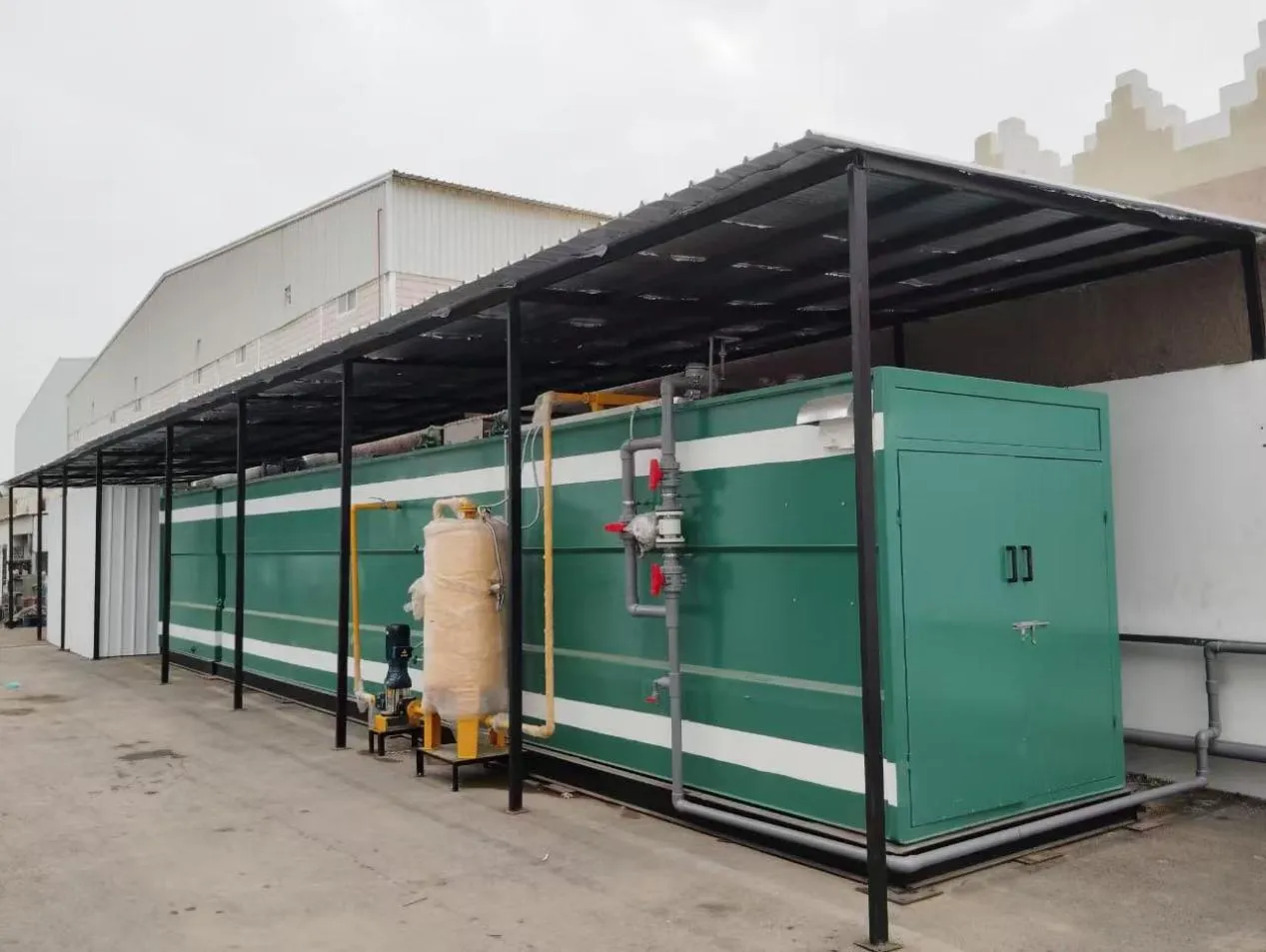
The New Perspective: Wastewater as an Asset
Historically, wastewater treatment was viewed primarily through a regulatory lens—a necessary cost to meet compliance standards. Today, that view is fundamentally changing. With advances in membrane filtration, anaerobic digestion, thermal hydrolysis, and nutrient recovery systems, wastewater plants can function as resource factories. The two most significant recoverable resources are:
-
Energy – through biogas production and heat recovery
-
Water – through advanced purification for non-potable or even potable reuse
The Energy Opportunity: Turning Waste into Power
Anaerobic digestion converts organic matter in wastewater into biogas, which can be used to generate heat and electricity. Some modern facilities are now energy-neutral or even energy-positive, dramatically reducing operational costs.
Business Benefits:
-
Reduced energy costs – On-site power generation lowers dependence on the grid
-
Protected against energy price volatility – Self-produced energy provides a buffer against market fluctuations
-
Potential revenue streams – Excess energy can sometimes be sold back to the grid
-
Carbon footprint reduction – Biogas utilization avoids fossil fuel consumption and reduces methane emissions
Water Reuse: Securing a Critical Resource
Water scarcity poses operational risks across industries. By implementing water reuse systems, companies can turn their wastewater into a reliable, local water supply for cooling, irrigation, industrial processes, or even drinking water (with appropriate treatment).
Business Benefits:
-
Water security – Reduced vulnerability to droughts, restrictions, or supply interruptions
-
Lower water acquisition costs – Reduced reliance on municipal or groundwater sources
-
Sustainability leadership – Enhanced brand reputation and stakeholder trust
-
Regulatory future-proofing – Prepared for increasingly stringent water discharge and use regulations
Additional Value Streams
Beyond energy and water, modern recovery systems can extract nutrients like phosphorus and nitrogen for fertilizer production, or recover metals and minerals for industrial use. These by-products can create additional revenue while reducing disposal costs and environmental impact.
Calculating the Return on Investment
While resource recovery systems require upfront investment, the payback period is shortening due to technological advances and rising resource costs. A comprehensive ROI analysis should include:
-
Direct savings on energy, water, and discharge fees
-
Avoided costs related to future regulatory compliance
-
Revenue from recovered resources
-
Intangible benefits like risk reduction and brand enhancement
Many projects achieve payback within 3–7 years, with ongoing savings and resilience benefits extending far beyond.
Implementing a Resource Recovery Strategy
Successfully transitioning to a resource recovery model involves:
-
Assessment – Analyzing wastewater composition and volume to identify recovery opportunities
-
Technology selection – Choosing systems aligned with your specific resource potential and business goals
-
Phased implementation – Starting with pilot projects or modular systems to validate returns
-
Partnership – Working with experienced technology providers and engineering partners
Conclusion: The Future is Circular
The linear “take-make-dispose” model is becoming economically and environmentally unsustainable. In its place, circular water management—where wastewater is continuously recovered and reused—delivers tangible business value through cost savings, risk reduction, and new revenue opportunities.
Leading companies aren’t just treating wastewater; they’re mining it. They recognize that every cubic meter of wastewater contains untapped value waiting to be recovered. As resource constraints tighten, this transformation from waste to resource will become not just advantageous, but essential for long-term competitiveness.
Interested in exploring how your organization can transform wastewater into a strategic asset? Contact our team of resource recovery specialists for a customized feasibility assessment and technology roadmap.