- Membrane separation system
- ※ Membrane Filtration System
- ※ Membrane Concentration System
- Waste Water Treatment
- ※ Wastewater Treatment Equipment
- ※ Industrial Wastewater Treatment
- ※ Municipal Wastewater Treatment
- What role does membrane filtration technology play in the sterilization and clarification of alcoholic beverages?
- Membrane Separation Technology: Driving Innovation and Efficient Production in the Biopharmaceutical Industry
- Application of Membrane Separation Equipment in Fruit Juice Beverage Factories: Making Beverages Purer and Production Easier
- Research Trends and Advances of Membrane Separation Technology in Water Treatment
- High-Efficiency Anaerobic Reactor Technology: How to Reduce Industrial Wastewater Treatment Costs
Membrane separation system
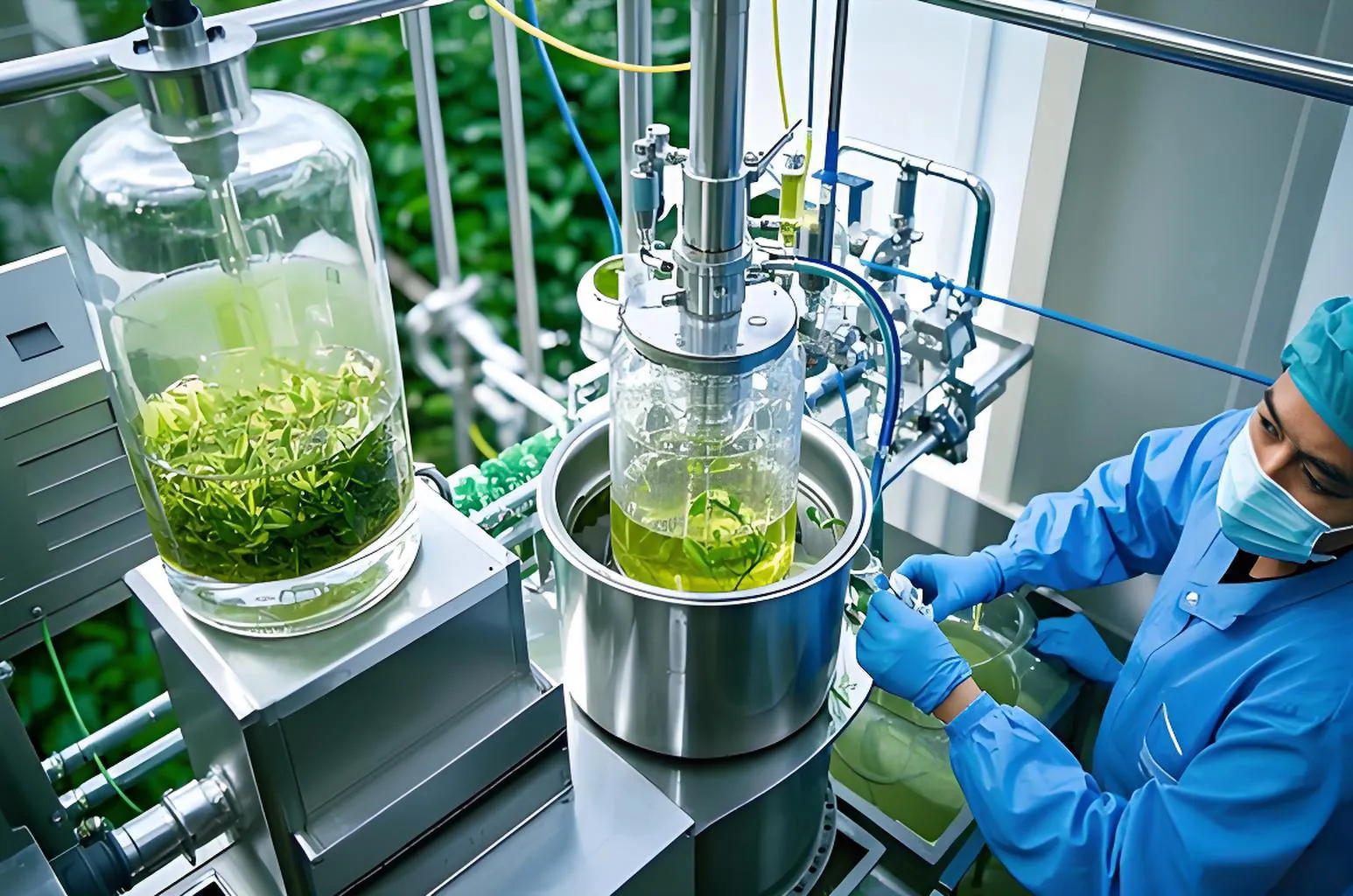
Membrane separation is a high-efficiency, green physical separation technology that utilizes semipermeable membranes with specific pore sizes or molecular weight cut-offs to selectively separate components in a feed stream (liquid or gas). Unlike traditional separation methods such as distillation, centrifugation, or filtration with filter aids, it operates based on the molecular sieving effect—allowing target molecules (e.g., small-molecule organic acids, amino acids, or active pharmaceutical ingredients) to pass through the membrane while intercepting unwanted impurities (e.g., mycelia, cell debris, colloidal proteins, polysaccharides) based on differences in size, shape, or charge.

Core advantages of membrane separation include room-temperature operation (avoiding thermal degradation of heat-sensitive substances), low energy consumption (typically 30–40% of thermal processes), high selectivity and separation precision, and no chemical additive requirements (eliminating secondary pollution and product loss from adsorption). Common membrane processes tailored to industrial biomanufacturing and pharmaceutical applications include microfiltration (MF, 0.1–1 μm) for removing solid particles and bacteria, ultrafiltration (UF, 1–100 kDa) for intercepting macromolecular colloids and proteins, nanofiltration (NF) for desalination and concentration, and reverse osmosis (RO) for deep dehydration.
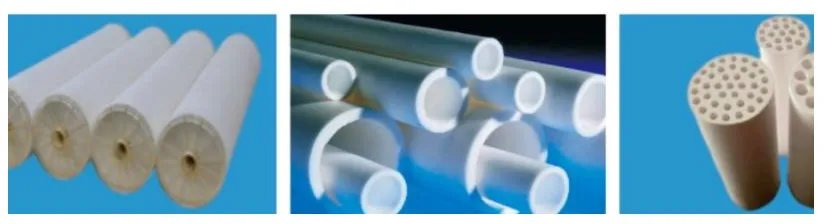
Widely applied in biological fermentation broth purification (antibiotics, vitamins, amino acids, organic acids), traditional Chinese medicine (TCM) clarification and sterilization, food and beverage processing, and industrial wastewater treatment, membrane separation technology enables significant improvements in product yield, purity, and production efficiency while aligning with global trends of clean production and sustainability. Its modular design and scalable capacity also make it suitable for both small-batch R&D and large-scale industrial production.