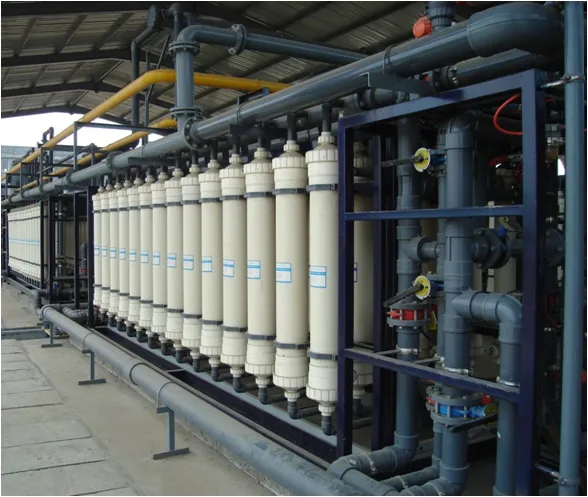
Research Trends and Advances of Membrane Separation Technology in Water Treatment
With the increasing severity of global water scarcity and water pollution, efficient and energy-saving water treatment technologies have become a hot topic in scientific research and engineering applications.
more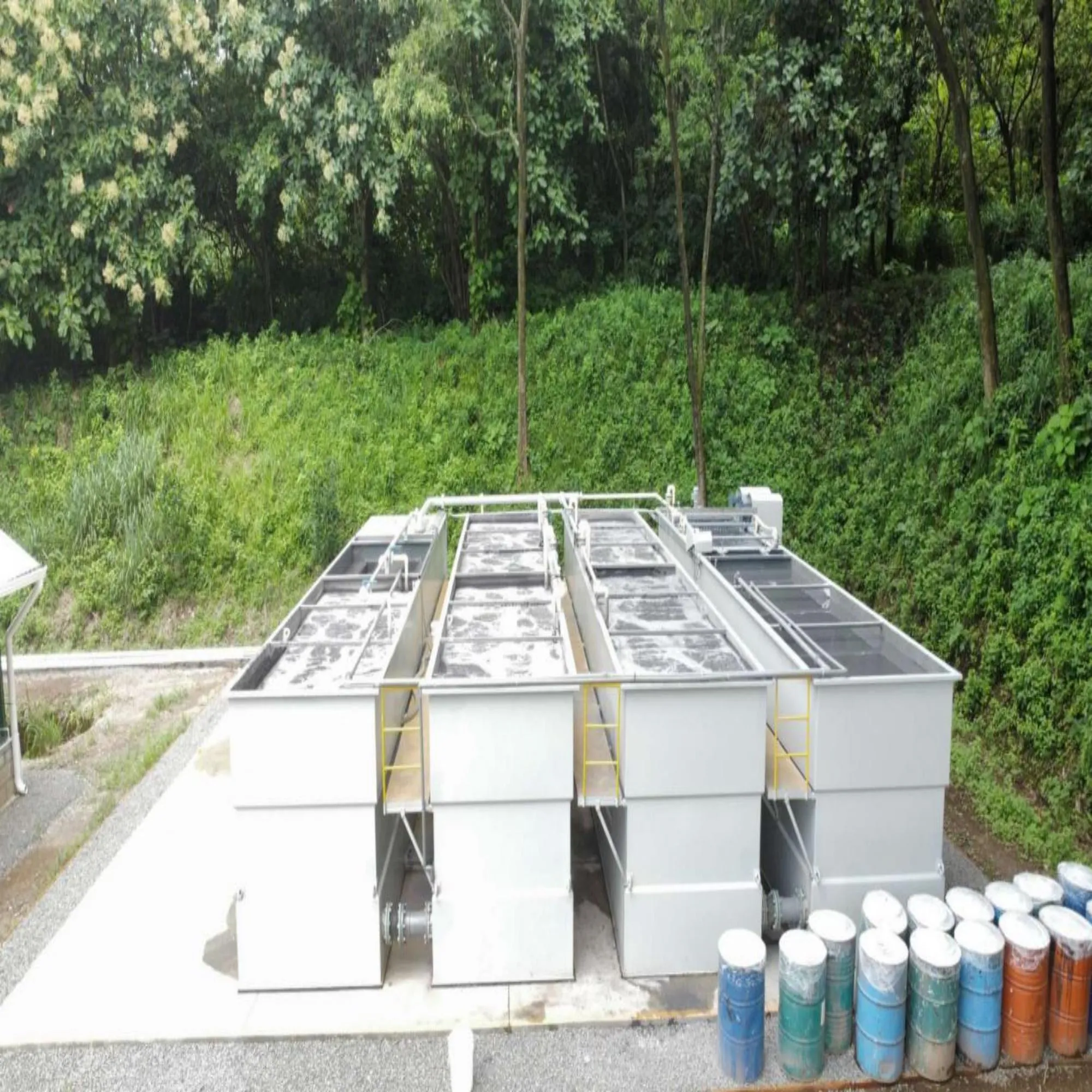
High-Efficiency Anaerobic Reactor Technology: How to Reduce Industrial Wastewater Treatment Costs
In the field of industrial wastewater treatment, operating costs have always been a key concern for enterprises. With increasingly stringent environmental standards, balancing treatment effectiveness and economic efficiency has become a major industry challenge.
more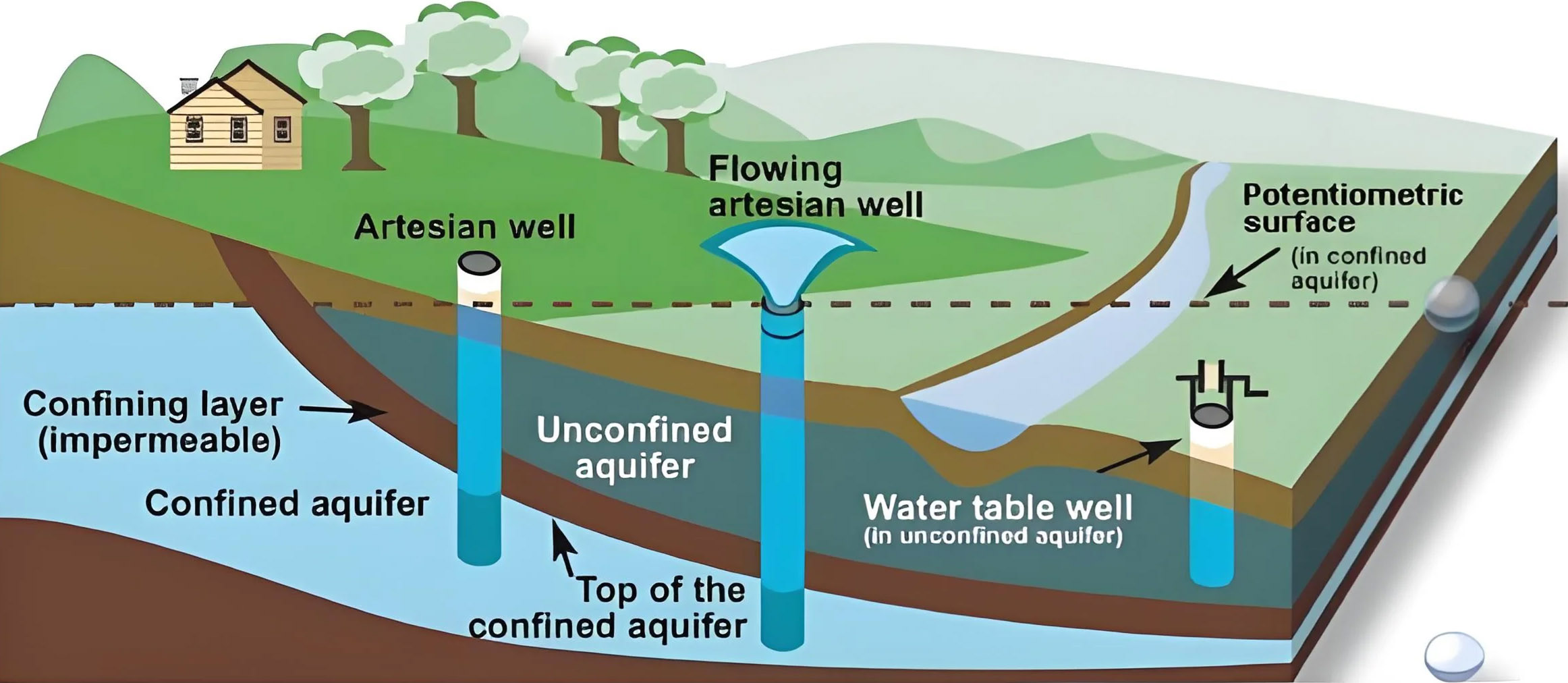
A Comprehensive Analysis of Groundwater vs. Surface Water Treatment: Differences, Processes, and Cost Optimization Guide
Water is the source of life, and the safety and compliance of drinking water cannot be achieved without scientific water treatment processes. Among the commonly used drinking water sources for humans, groundwater (such as well water and underground aquifers) and surface water (such as rivers, lakes, and reservoir water) occupy a dominant position.
more
Challenges in Wastewater Treatment in the Food Processing Industry and Innovative Solutions
The food processing industry is a vital pillar of the global economy, but its wastewater contains high concentrations of organic matter, oils, suspended solids, and complex chemical components, posing a significant challenge to environmental management.
more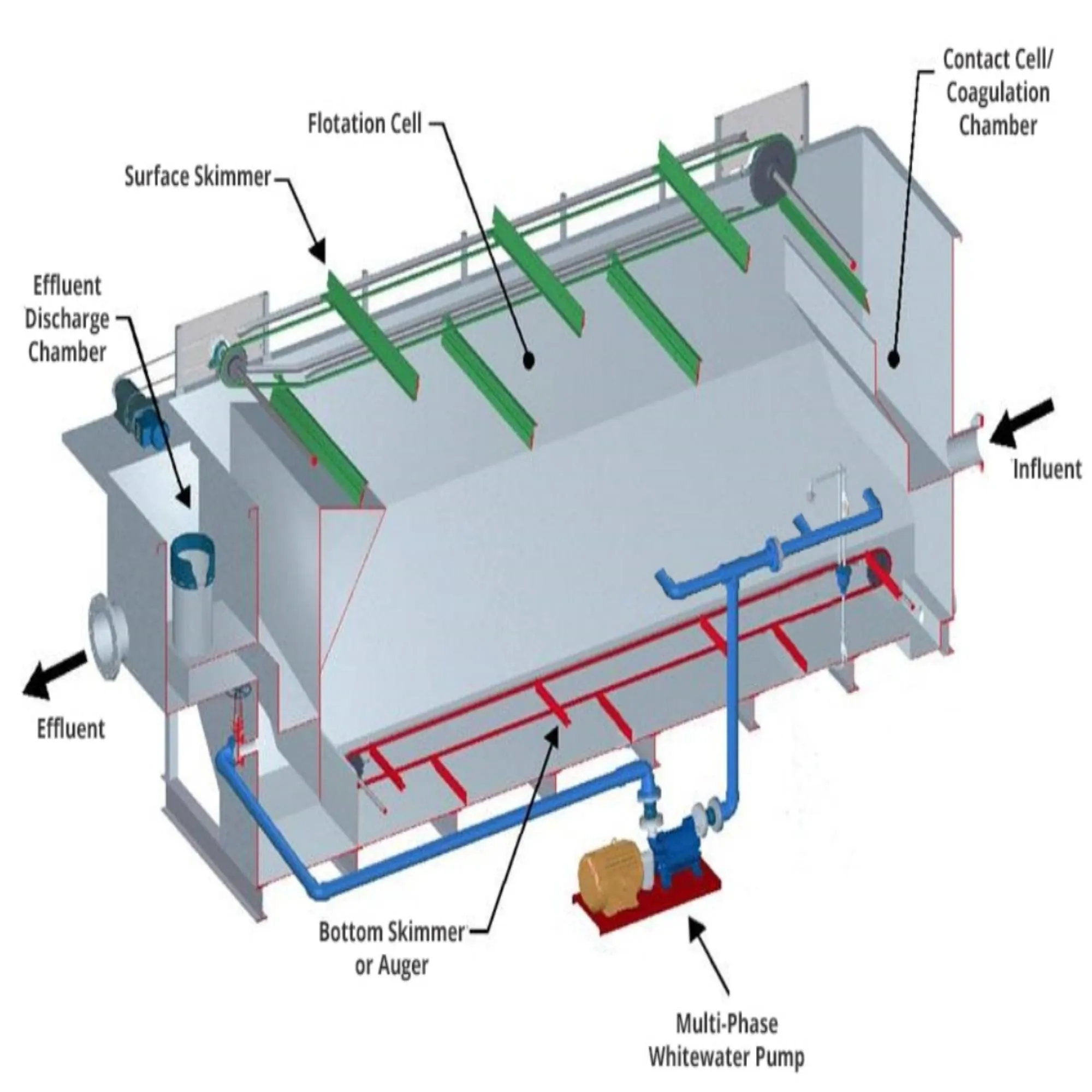
MBR Membrane Bioreactor vs Traditional Activated Sludge Method: Cost-Benefit Comparison
In today's rapidly evolving water treatment technology landscape, businesses face a critical decision: choose the traditional activated sludge process or upgrade to the more advanced MBR (Membrane Bioreactor) system? This article provides a comprehensive cost-performance analysis from four dimensions: investment cost, operating expenses, treatment efficiency, and long-term value.
more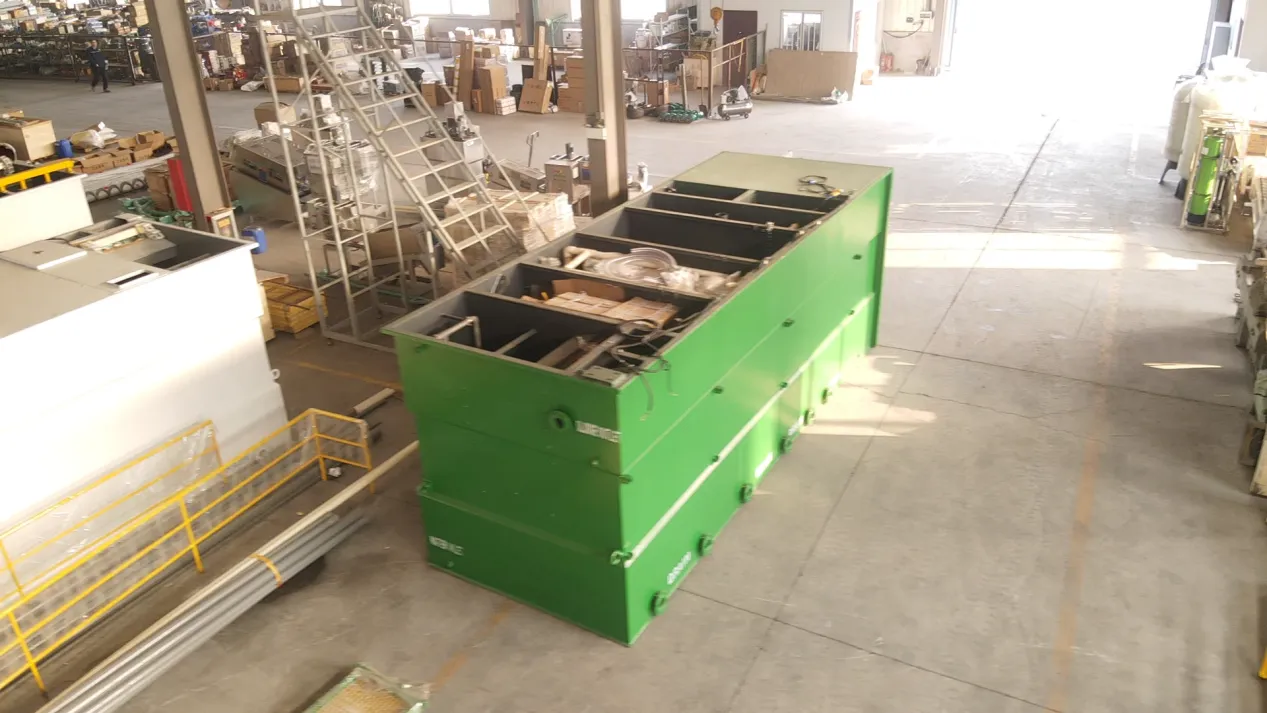
Modular containerized wastewater treatment system: An innovative solution for efficiently addressing space constraints
In the water treatment industry, space constraints are often a key challenge in project planning and implementation. Especially in urban renewal, industrial park renovation, and facility construction in remote areas, traditional wastewater treatment systems are often difficult to implement due to their large land area requirements.
more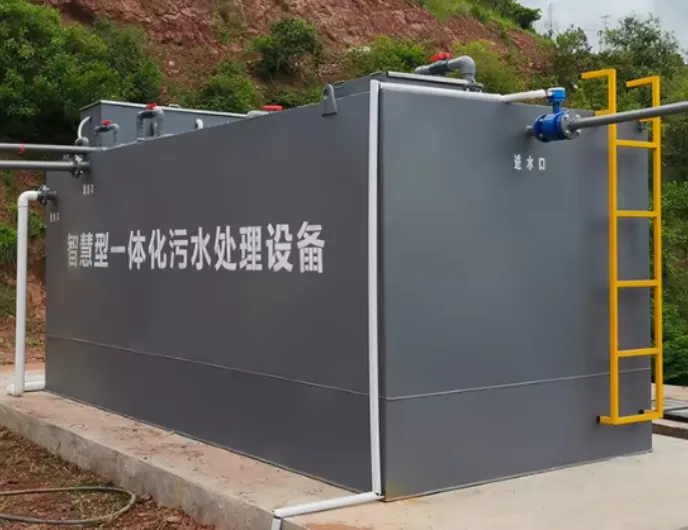
Five Key Applications of Membrane Technology in Extraction and Concentration in the Biopharmaceutical Field
As a core pillar of precision medicine, the biopharmaceutical industry directly impacts clinical treatment outcomes through the purity, activity, and safety of its products. In the extraction and concentration stages of biopharmaceuticals, traditional technologies often face challenges such as product activity loss, low separation efficiency, and high contamination risks.
more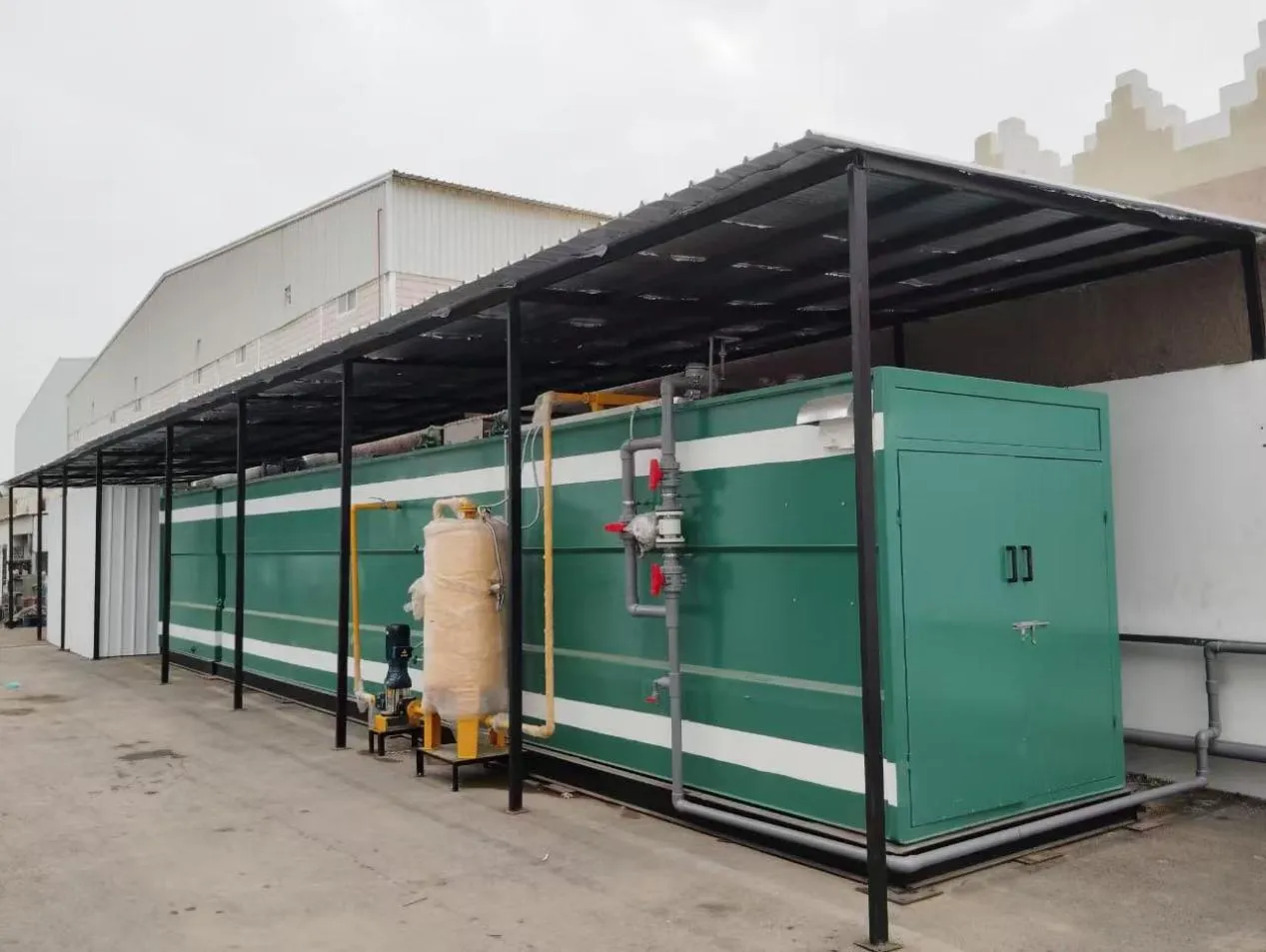
From Waste to Resources: The Commercial Value of Energy Generation and Reuse from Wastewater
As global water scarcity intensifies and sustainability becomes a competitive advantage, forward-thinking businesses are redefining wastewater—not as a disposal problem, but as a strategic resource. M
more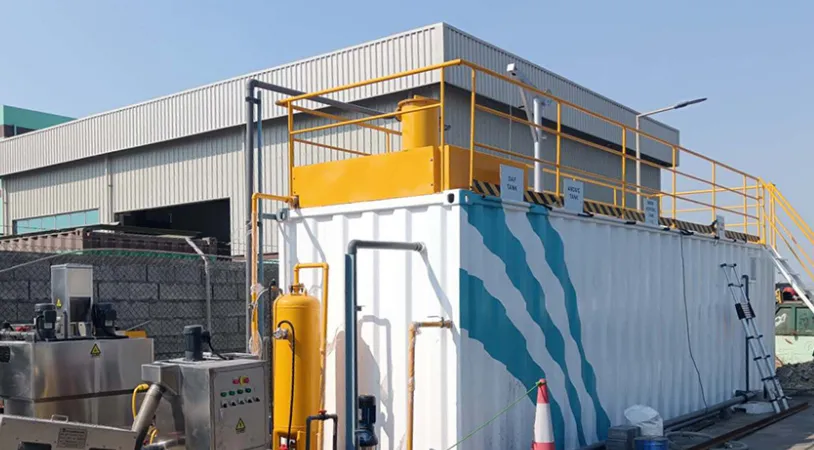
Industrial vs. Municipal Wastewater: Key Differences in Treatment Needs and Equipment Selection
In the world of wastewater treatment, one size does not fit all. The processes, challenges, and equipment required to treat industrial effluent differ significantly from those designed for municipal or domestic sewage.
more
Membrane Separation Technology Empowers the Industrial Upgrade of the Biopharmaceutical Industry
With the rapid development of the biopharmaceutical industry, drug purity, production efficiency, and environmental friendliness have become core industrial demands. As a high-efficiency, energy-saving, and high-precision separation technology, membrane separation technology has been widely applied in the biopharmaceutical field due to its unique advantages, becoming a key technical support for promoting the high-quality development of the industry.
more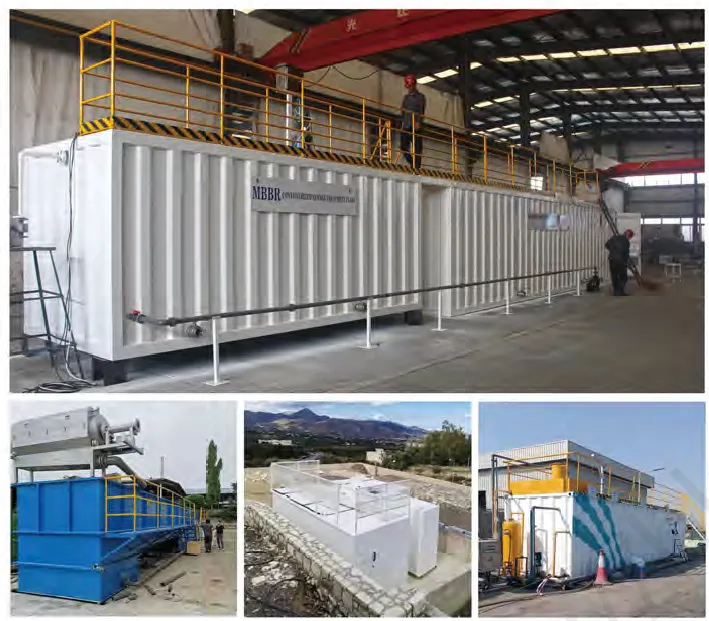
Mining Wastewater Treatment: Efficient Water Reclamation and Compliant Discharge
Introduction Water is a critical resource in mining operations, yet the industry faces mounting pressure to manage wastewater responsibly. Mining wastewater often contains heavy metals, suspended solids, and chemical residues, posing environmental and regulatory challenges.
more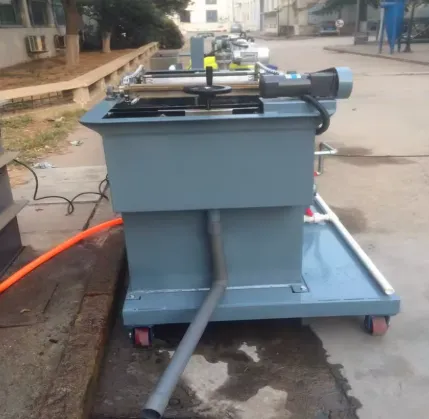
A Quiet Revolution: Compact, Low-Noise Wastewater Solutions for Hotels & Resorts
For hotels and resorts, the guest experience is everything. From stunning views and serene pools to luxurious spas and peaceful nights, every detail matters. Yet, an essential function often remains out of sight and, ideally, out of hearing: wastewater treatment.
more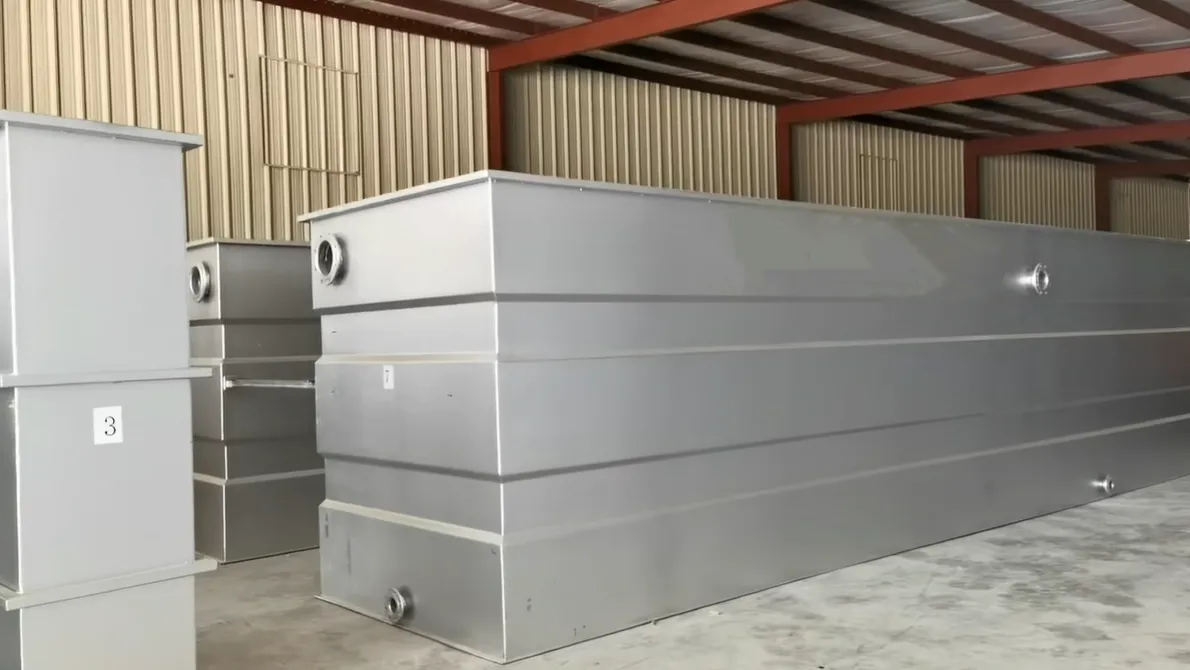
Tackling Textile Dyeing Wastewater Challenges: 3 Efficient & Sustainable Solutions
The textile dyeing industry is vital to global fashion and manufacturing, but it comes with a significant environmental cost: complex, heavily polluted wastewater. This effluent, loaded with toxic dyes, heavy metals, salts, and chemical additives, poses a severe threat to aquatic ecosystems and human health.
more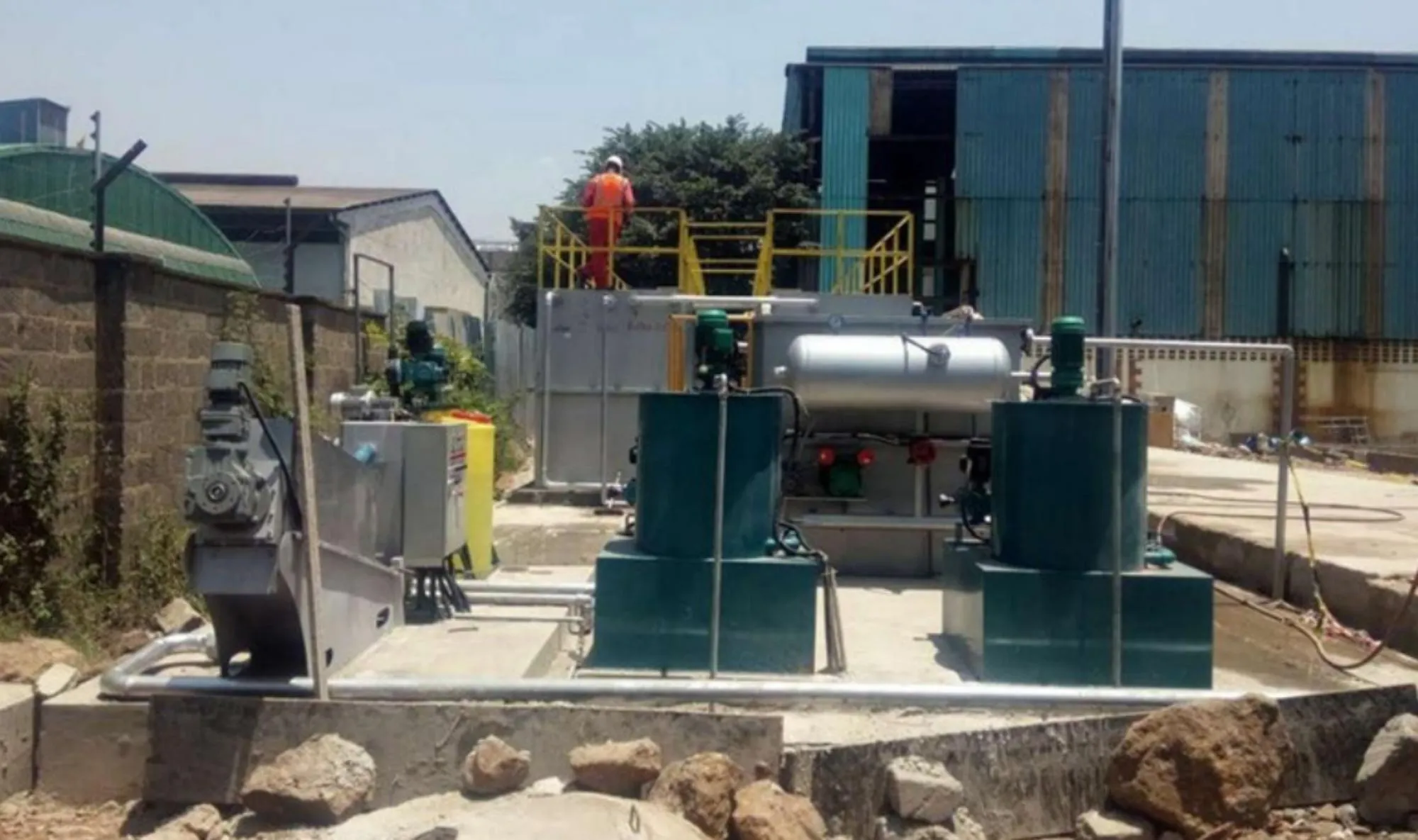
Demystifying Common Wastewater Treatment Technologies: From MBR to SBR
Wastewater treatment is a critical process for protecting our environment and public health. With various technologies available, it can be challenging to understand which method is best suited for different needs.
more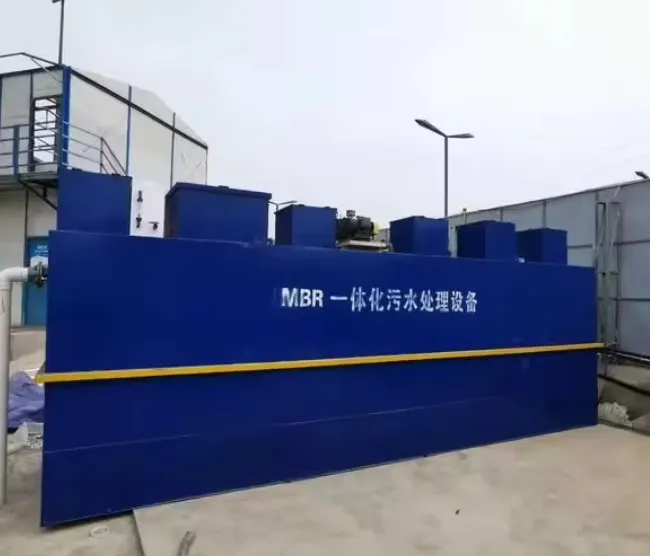
Compact & Efficient: The Rise of Containerized MBR Systems for Space-Limited Sites
In the world of water and wastewater treatment, space is often a luxury. Factories, remote communities, resorts, and urban redevelopment projects frequently face the challenge of implementing robust treatment processes within tight physical footprints.
more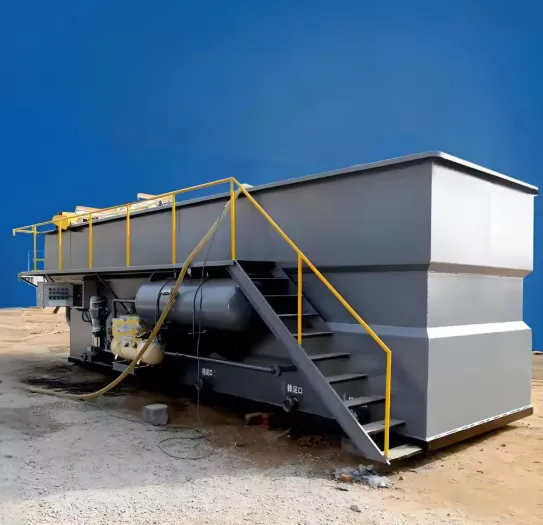
The Most Cost-Effective Guide to Decentralized Sewage Treatment for Small Parks/Factories
For small industrial parks, manufacturing factories, or eco-parks with limited space, budget constraints, and relatively small sewage discharge, decentralized sewage treatment systems have emerged as the optimal solution.
more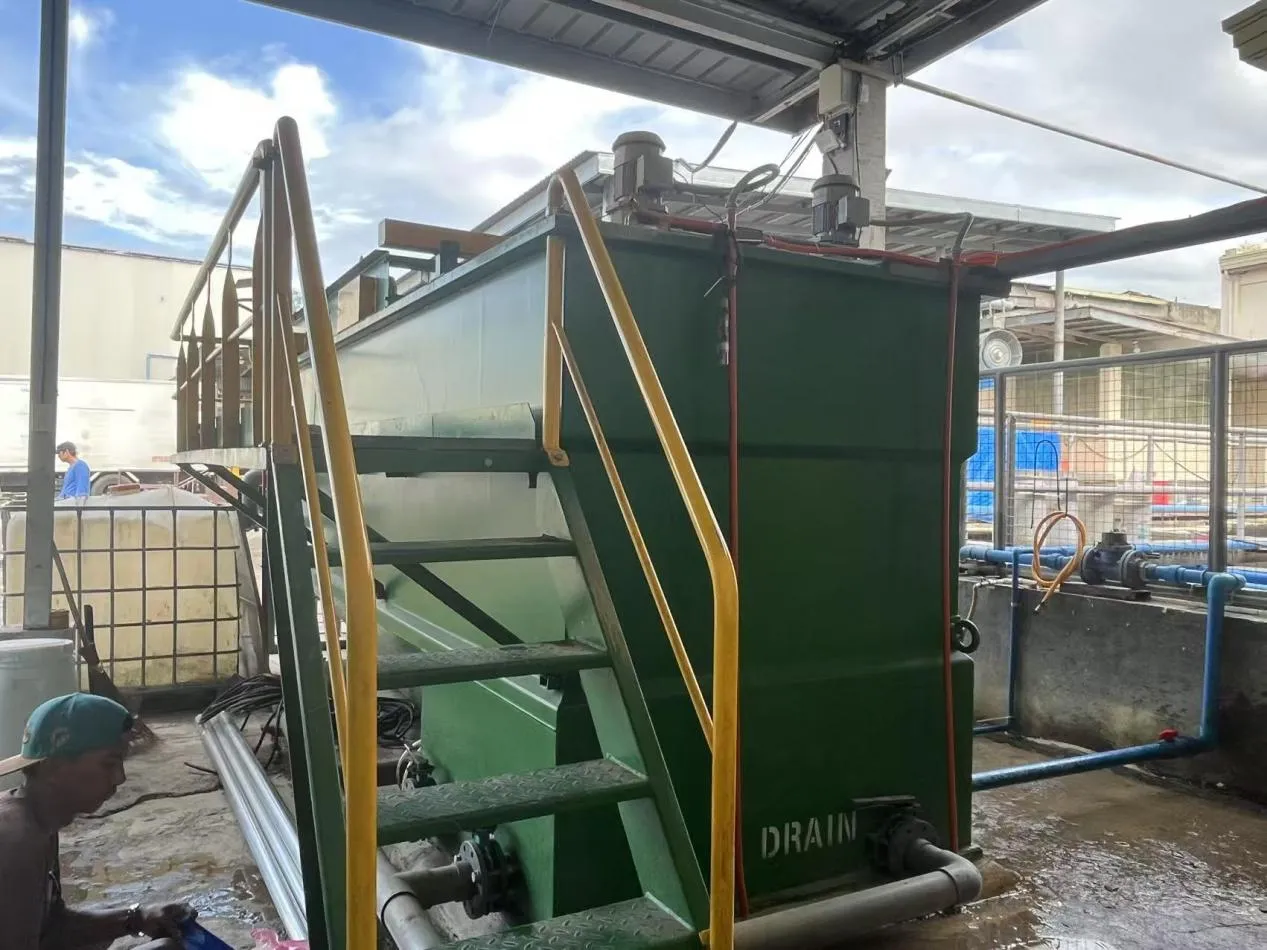
Membrane Bioreactor (MBR) Technology: Advantages for Industrial Projects
In an era where industrial sustainability and regulatory compliance are non-negotiable, choosing the right wastewater treatment technology is critical for businesses looking to balance operational efficiency, environmental responsibility, and long-term cost savings.
more
Oilfield Wastewater Treatment Process and Case Study
Oilfield wastewater, also known as produced water, is a byproduct of crude oil extraction and production. It contains complex contaminants such as crude oil, suspended solids, salts, heavy metals, and residual chemicals (e.
more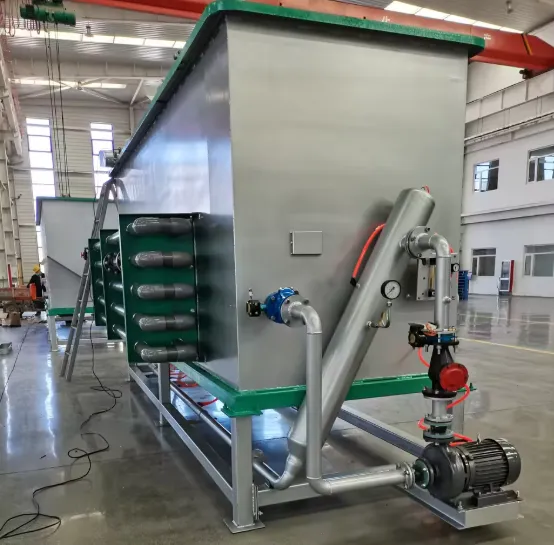
Food Processing Plant Wastewater Treatment Process and Cases
Food processing is a vital industry that nourishes communities worldwide, but it also generates significant volumes of wastewater with unique challenges. From dairy and meat processing to fruit and vegetable canning, food plant wastewater is characterized by high concentrations of organic matter, suspended solids (SS), oils and fats, and fluctuating water quality—all of which require tailored treatment solutions to meet environmental regulations and promote sustainability. A
more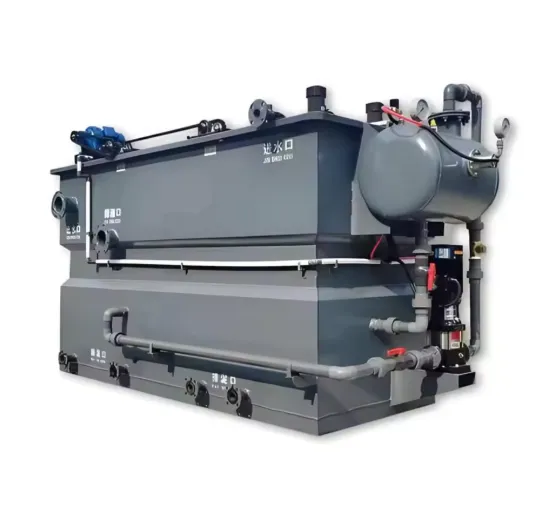
Hospital Sewage Treatment Process and Cases
Hospitals are vital spaces for safeguarding public health, but they also generate a large volume of sewage that carries unique and complex pollutants. Unlike ordinary domestic sewage, hospital sewage contains pathogens such as bacteria, viruses, and parasite eggs, as well as pharmaceutical residues, heavy metals, organic matter, and suspended solids, which pose significant threats to the ecological environment and human health if not properly treated.
more
Moving Bed Biofilm Reactor (MBBR): Working Principle & Benefits
In the pursuit of efficient, reliable, and sustainable wastewater treatment solutions, the Moving Bed Biofilm Reactor (MBBR) has emerged as a game-changing technology, bridging the gap between traditional activated sludge processes and fixed biofilm systems.
more
Sequencing Batch Reactor (SBR): Process & Suitable Applications
In the realm of wastewater treatment, efficiency, flexibility, and cost-effectiveness are the cornerstones of sustainable solutions. The Sequencing Batch Reactor (SBR) technology has emerged as a versatile and reliable choice for both municipal and industrial wastewater treatment, leveraging a time-sequenced approach to deliver high-quality treated water.
more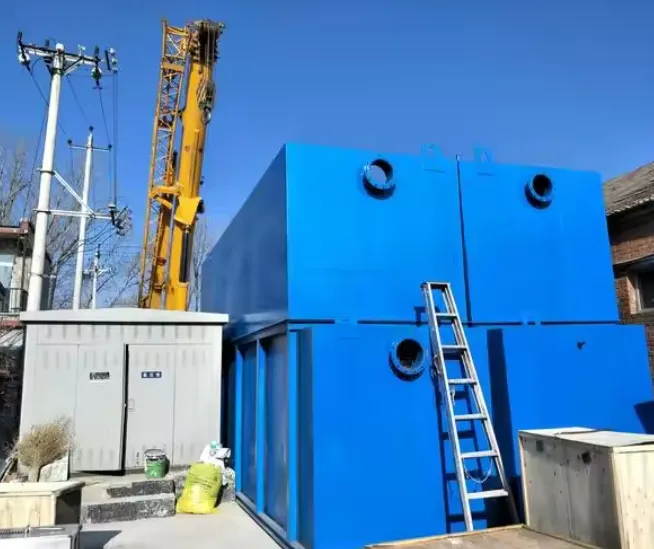
Advanced Oxidation Processes (AOP) for Industrial Wastewater Treatment
Introduction: The Need for Advanced Wastewater Treatment Industrialization drives global progress, but it also generates complex wastewater loaded with refractory organic pollutants, toxic chemicals, and micropollutants that traditional treatment methods struggle to eliminate.
morePortable Wastewater Treatment Units for Temporary & Remote Projects
In the world of wastewater management, temporary and remote projects—from construction sites and mining camps to disaster recovery zones and rural development initiatives—present unique challenges. Tra
more
Oilfield Wastewater Treatment: Protecting the Environment and Promoting Sustainable Oil Production
As the global demand for energy continues to rise, oil remains a cornerstone of the world’s energy supply. However, oil extraction and production generate significant volumes of wastewater—known as produced water—which contains a complex mixture of contaminants that pose serious threats to the environment if not properly treated. We sp
more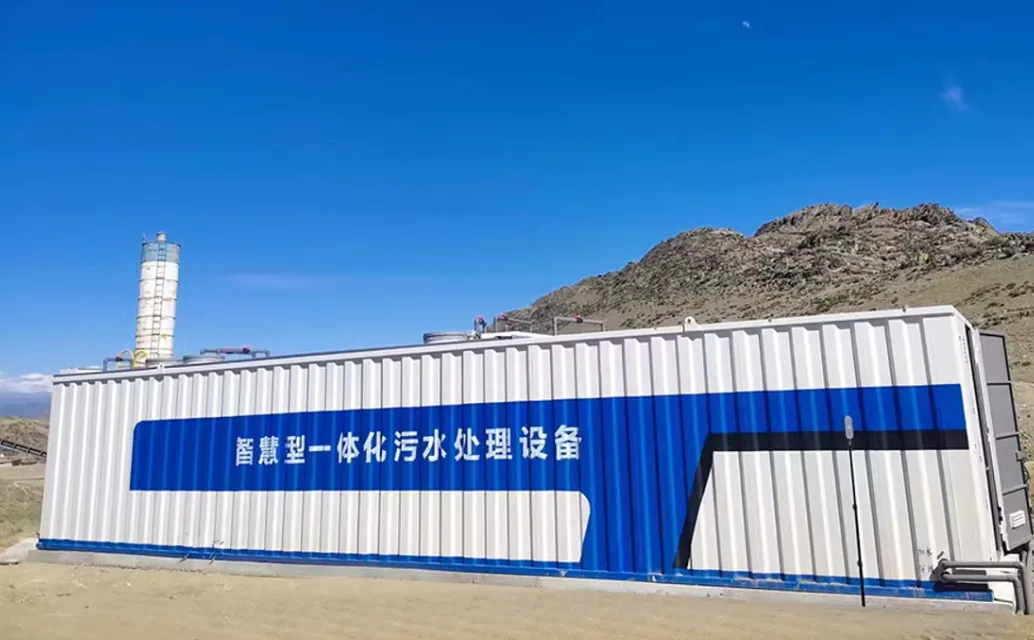
Automatic vs. Manual Control Systems for Sewage Treatment Equipment
In the realm of sewage treatment, the efficiency, reliability, and compliance of your operations hinge significantly on the control system you choose for your equipment. Whether you’re managing a small municipal treatment plant, an industrial wastewater facility, or a decentralized sewage system, selecting between automatic and manual control systems is a decision that impacts operational costs, labor requirements, water quality outcomes, and long-term sustainability. T
more
Textile & Dyeing Wastewater Treatment: Challenges & Solutions
The textile and dyeing industry is a cornerstone of global manufacturing, but it also stands as one of the largest water-consuming and polluting sectors worldwide. According to the European Parliament, the textile industry was ranked the 3rd largest source of water consumption in 2020, with the dyeing and finishing processes accounting for a substantial portion of this demand.
more
Food & Beverage Wastewater Treatment: Sustainable Solutions for Industrial Compliance
The food and beverage (FB) industry is one of the most water-intensive manufacturing sectors globally. From dairy processing and brewery production to fruit and vegetable cleaning, food manufacturing generates massive volumes of wastewater daily.
more