Oilfield Wastewater Treatment: Protecting the Environment and Promoting Sustainable Oil Production
As the global demand for energy continues to rise, oil remains a cornerstone of the world’s energy supply. However, oil extraction and production generate significant volumes of wastewater—known as produced water—which contains a complex mixture of contaminants that pose serious threats to the environment if not properly treated. We specialize in advanced oilfield wastewater treatment solutions that not only ensure compliance with strict environmental regulations but also unlock the potential of water reuse, supporting the oil and gas industry’s shift toward sustainability.
Understanding the Complexity of Oilfield Wastewater
Oilfield wastewater is far more complex than typical industrial wastewater, with its composition varying widely based on factors such as the type of oil reservoir, extraction methods, and chemical additives used during production. Key contaminants include high concentrations of oil and grease (in forms of free oil, dispersed oil, and emulsified oil), suspended solids (such as sand, rock fragments, and microbial aggregates), dissolved salts, heavy metals (including thallium and arsenic), and refractory organic compounds from drilling fluids and production chemicals. For example, heavy oil wastewater can have an oil content ranging from 500 to 1500 mg/L, with emulsified oil being particularly difficult to remove due to its high stability. Additionally, the high mineralization and hardness of produced water can cause scaling and corrosion in pipelines and equipment, increasing maintenance costs and operational risks.
The Environmental and Operational Imperative of Proper Treatment
The improper disposal of oilfield wastewater can have devastating environmental consequences. Uncontrolled discharge can contaminate soil and groundwater, degrade aquatic ecosystems by forming oil films that reduce dissolved oxygen levels, and harm plant and animal life. It can also violate increasingly stringent environmental regulations, such as China’s Water Pollution Prevention and Control Law and international standards, leading to costly fines, project shutdowns, and reputational damage for oil operators. Beyond environmental compliance, effective treatment also offers operational benefits: treated wastewater can be reused for oil extraction (such as water flooding) or other industrial purposes, reducing reliance on freshwater resources and lowering production costs—a critical advantage in water-scarce regions.
Advanced Oilfield Wastewater Treatment Technologies We Offer
At [Your Water Treatment Company Name], we leverage a combination of proven and innovative technologies to address the unique challenges of oilfield wastewater, tailoring solutions to each client’s specific water quality and operational needs. Our core treatment processes include:
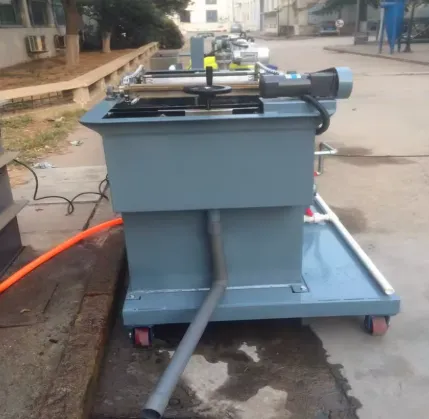
- Pretreatment: We use high-efficiency oil-water separation equipment, such as gravity separators and dissolved air flotation (DAF) systems, to remove large volumes of free and dispersed oil, as well as suspended solids, reducing the load on subsequent treatment stages.
- Chemical Treatment: Customized coagulants, flocculants, and demulsifiers are used to break down stable emulsions, aggregate fine particles, and remove heavy metals—addressing the challenge of emulsified oil and toxic contaminants that are difficult to eliminate through physical methods alone.
- Advanced Filtration and Membrane Technology: Ultrafiltration (UF) and reverse osmosis (RO) membranes are employed for deep treatment, effectively removing dissolved salts, small suspended particles, and refractory organics. These technologies ensure treated water meets strict reuse or discharge standards, with RO achieving over 99% desalination efficiency.
- Biological Treatment: For wastewater with high chemical oxygen demand (COD), we use specialized microbial strains to biodegrade organic contaminants, reducing environmental impact while maintaining cost-effectiveness. This is particularly effective for treating wastewater containing residual production chemicals and organic compounds.
- Zero Discharge and Resource Recovery: Our integrated solutions can achieve near-zero discharge by combining membrane concentration and evaporation-crystallization technologies, recovering valuable resources such as industrial salts and reusable water—turning wastewater from a liability into an asset.
Our Commitment to Sustainability and Partnership
We understand that oilfield wastewater treatment is not just a compliance requirement—it is a key component of the oil and gas industry’s sustainable development journey. Our team of engineers and environmental experts works closely with clients to design and implement cost-effective, energy-efficient solutions that minimize environmental impact while maximizing operational value. We also stay at the forefront of industry trends, integrating digital and intelligent technologies to optimize treatment processes, reduce energy consumption, and enhance real-time monitoring of water quality.
Whether you operate an onshore heavy oil field, an offshore platform, or a shale gas site, we have the expertise and technology to address your oilfield wastewater challenges. By partnering with us, you can ensure regulatory compliance, protect the environment, and unlock the full potential of water reuse—supporting long-term, sustainable oil production.