The food and beverage (F&B) industry is one of the most water-intensive manufacturing sectors globally. From dairy processing and brewery production to fruit and vegetable cleaning, food manufacturing generates massive volumes of wastewater daily. Unlike industrial wastewater from other sectors, F&B effluent features high organic content, fluctuating water quality, abundant fats, oils, grease (FOG), and suspended solids. Without professional and standardized treatment, this wastewater will cause severe water pollution, disrupt ecological balance, and bring huge compliance risks and operational losses to enterprises. As a professional water treatment solution provider, we deliver tailored, efficient, and eco-friendly wastewater treatment systems to help F&B enterprises achieve stable discharge standards, water resource recycling, and sustainable development.
Unique Challenges of Food & Beverage Wastewater
F&B wastewater has distinct characteristics that make its treatment more complex than conventional sewage, posing multiple challenges for factory operation and environmental compliance. First, unstable water quality and quantity. The production cycle of food and beverage enterprises is affected by seasons, market demand, and production batches, leading to drastic fluctuations in wastewater flow, COD, BOD, and nutrient concentrations. This fluctuation easily causes the collapse of conventional treatment systems and unstable effluent quality.
Second, high organic load and nutrient enrichment. Food processing wastewater contains a large amount of residual carbohydrates, proteins, fats, and nitrogen and phosphorus elements. Direct discharge will trigger eutrophication of water bodies, causing algae overgrowth and oxygen depletion in water. Meanwhile, high-concentration organic pollutants easily produce odors during decomposition, affecting the factory’s production environment and surrounding communities.
Third, high FOG and suspended solid content. Wastewater from catering processing, dairy production, and fried food manufacturing contains a lot of emulsified oil and floating grease. These substances adhere to the surface of biological fillers and membrane equipment, causing equipment fouling, reduced treatment efficiency, and increased maintenance costs. In addition, residual fruit peels, food residues, and packaging debris form a large number of suspended solids, which can easily block pipeline systems if not pre-treated in time.
Finally, strict global environmental compliance requirements. With the upgrading of environmental protection policies worldwide, F&B enterprises are facing increasingly stringent discharge standards. Traditional simple treatment processes can no longer meet the requirements of zero discharge, water reuse, and ESG environmental assessment, bringing huge compliance pressure to enterprises.
Core Treatment Processes for F&B Wastewater
Based on the unique characteristics of F&B wastewater, we adopt a combined treatment process of “preliminary treatment + biochemical treatment + advanced depth treatment” to ensure stable effluent reaching standards and realize resource recycling.
1. Preliminary Physical Pretreatment
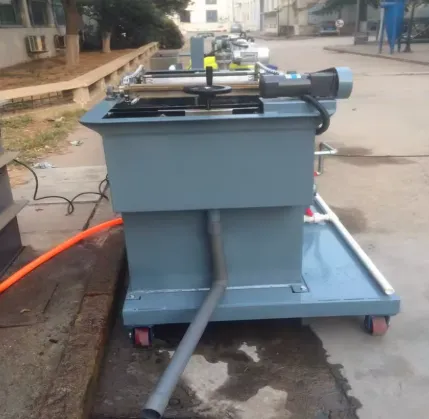
Pretreatment is the foundation of stable system operation, mainly used to remove large impurities, floating grease, and suspended solids. We use fine screens and sedimentation tanks to intercept food residues, packaging wastes, and large particulate matter. Meanwhile, dissolved air flotation (DAF) equipment is applied to efficiently separate floating oil and emulsified grease, with a grease removal rate of up to 95%. Equipped with automatic pH monitoring and adjustment systems, it stabilizes the water quality environment for subsequent biochemical treatment and avoids equipment damage caused by acid-base fluctuation.
2. Efficient Biochemical Treatment
Aiming at high COD and BOD organic pollutants, we use mature and efficient biochemical processes such as activated sludge method and anaerobic-aerobic combined process. Anaerobic tanks decompose most macromolecular organic substances into small molecular compounds to reduce organic load; aerobic tanks further degrade residual organic matter through microbial metabolism and effectively remove nitrogen and phosphorus pollutants. For high-load wastewater from breweries and dairy plants, we adopt optimized EGSB and SBR processes to improve microbial activity, adapt to fluctuating water quality, and ensure efficient degradation of pollutants.
3. Advanced Depth Treatment & Resource Recovery
To meet high-standard discharge and water reuse requirements, we configure advanced treatment units including ultrafiltration, reverse osmosis, activated carbon adsorption, and advanced oxidation processes (Fenton reaction, ozone oxidation). These technologies effectively remove residual refractory organics, chroma, and trace pollutants in biochemically treated water. The treated clean water can be reused for production cleaning, equipment cooling, and site watering, realizing industrial water recycling and greatly reducing enterprise water costs. In addition, we support sludge reduction and resource utilization, converting residual sludge into organic fertilizer raw materials to achieve waste recycling.
Our Customized Advantages for F&B Wastewater Treatment
Different from standardized universal water treatment equipment, we focus on customized solutions for the food and beverage industry, fully adapting to the differentiated production needs of different enterprises. First, high stability and anti-fluctuation capability. Our system is equipped with automatic load adjustment and real-time monitoring modules, which can intelligently adjust operation parameters according to changes in wastewater quality and quantity, avoiding system operation failure caused by production peak and off-peak differences.
Second, low operation and maintenance costs. The optimized process design reduces chemical dosage and sludge output, and the integrated equipment structure saves floor space. The intelligent remote monitoring system realizes unattended operation, effectively reducing manual maintenance and operational costs for enterprises.
Third, full compliance and ESG value empowerment. All solutions strictly comply with local and international environmental discharge standards, helping enterprises pass environmental assessment inspections stably. At the same time, water recycling and waste resource recovery modes help enterprises reduce carbon emissions, improve green production levels, and enhance brand ESG competitiveness.
Conclusion
Food and beverage wastewater treatment is not only a mandatory environmental protection requirement for enterprises but also a key link in realizing green and sustainable production. Facing the complex water quality characteristics and strict compliance standards of the F&B industry, relying on single conventional processes is difficult to achieve long-term stable operation. Professional, customized, and recyclable wastewater treatment solutions can help enterprises resolve environmental risks, reduce operating costs, and realize the dual value of environmental protection and economic benefits.
With rich industrial project experience and mature technical systems, we provide one-stop services including scheme design, equipment manufacturing, on-site installation, operation debugging, and after-sales maintenance for F&B enterprises worldwide. We help every food and beverage enterprise realize standardized wastewater discharge and efficient water resource utilization, empowering the green upgrade of the food manufacturing industry.