The textile and dyeing industry is a cornerstone of global manufacturing, but it also stands as one of the largest water-consuming and polluting sectors worldwide. According to the European Parliament, the textile industry was ranked the 3rd largest source of water consumption in 2020, with the dyeing and finishing processes accounting for a substantial portion of this demand. The wastewater generated from these processes is complex, toxic, and challenging to treat, posing significant threats to aquatic ecosystems, public health, and regulatory compliance. For water treatment companies and textile manufacturers alike, understanding these challenges and implementing effective solutions is critical to achieving sustainable operations. In this blog, we explore the key hurdles in textile and dyeing wastewater treatment and the innovative technologies that are transforming the industry’s approach to water stewardship.
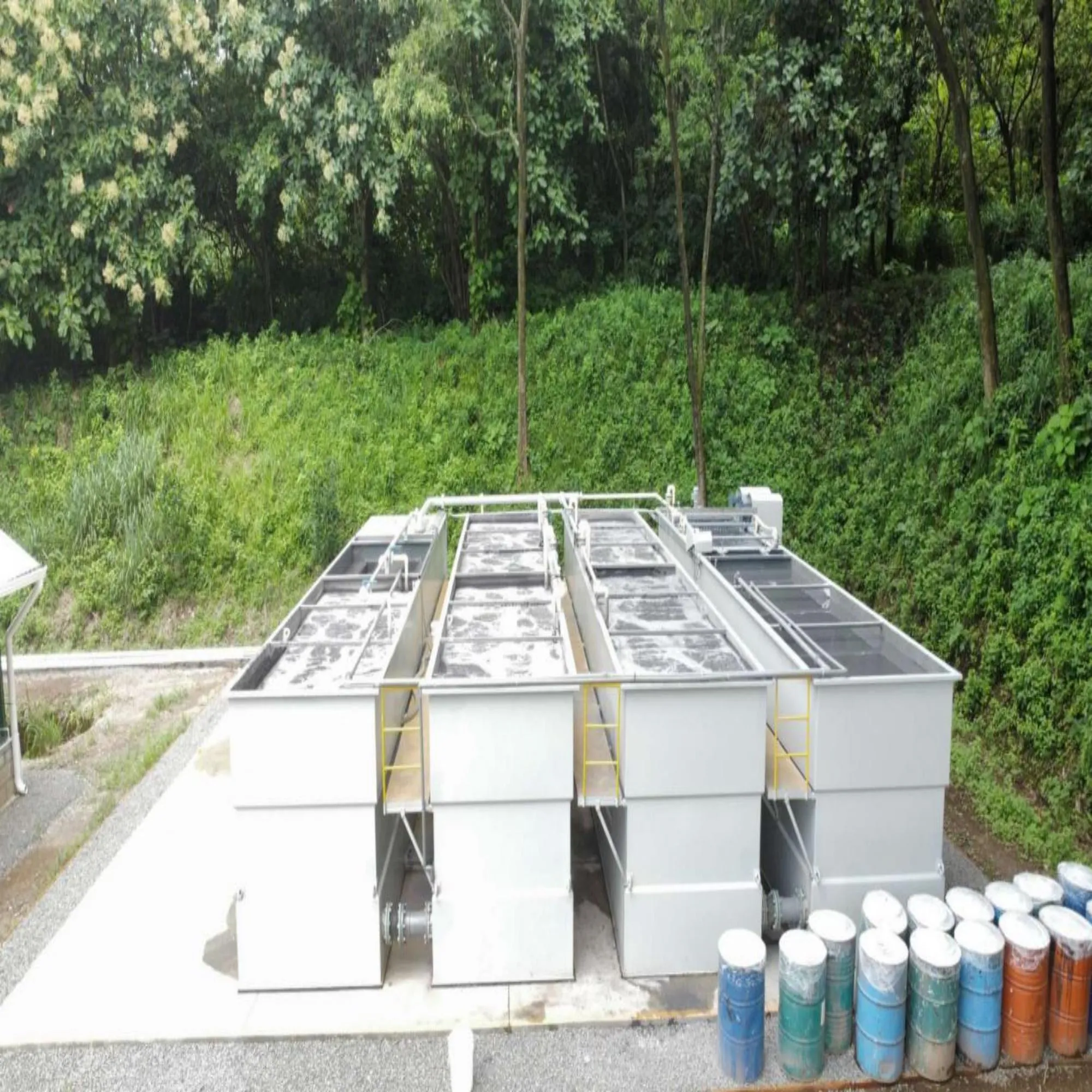
Key Challenges in Textile & Dyeing Wastewater Treatment
Textile and dyeing wastewater is notoriously difficult to treat due to its diverse composition, high pollutant load, and variable characteristics. Below are the most pressing challenges faced by treatment providers and textile businesses:
1. Complex and Variable Wastewater Composition
Textile dyeing processes involve a wide range of chemicals, including synthetic dyes (aromatic and heterocyclic dyes that are highly stable and resistant to degradation), surfactants, acids, alkalis, bleaches, EDTA, and heavy metal ions such as Hg, As, and Pb. The composition of wastewater varies drastically depending on the type of fiber (cotton, polyester, etc.), dye used (reactive, disperse, cationic), and production schedule, making it difficult to design a one-size-fits-all treatment system. This variability often leads to inconsistent treatment results and challenges in maintaining compliance with discharge standards.
2. High COD, BOD, and Color Loads
Textile wastewater is characterized by high Chemical Oxygen Demand (COD) and Biochemical Oxygen Demand (BOD) levels, primarily due to the presence of organic compounds like PVA (polyvinyl alcohol) and dye intermediates. The World Bank estimates that 17-20% of industrial wastewater worldwide comes from textile dyeing and finishing processes, with typical COD concentrations in dyeing and printing parks ranging from 800-1200mg/L—far exceeding the 80mg/L limit set by many regulatory bodies. Additionally, the intense color from synthetic dyes not only impairs water aesthetics but also reduces light transmittance, harming aquatic plant photosynthesis and disrupting aquatic ecosystems.
3. High Salinity and Toxicity
Dyeing processes require large amounts of salts, leading to high salinity in wastewater, which inhibits the activity of microorganisms used in biological treatment systems. Many dyes and chemicals (such as azo dyes and heavy metals) are toxic to aquatic life and non-biodegradable, further complicating treatment efforts. This toxicity not only threatens environmental health but also increases the risk of regulatory penalties for non-compliance—for example, a textile cluster in Shaoxing, China, was fined 4.6 million yuan in 2022 for persistent COD violations.
4. Cost-Efficiency and Resource Wastage
Traditional treatment methods, such as conventional “physical-chemical + biological” processes, often suffer from low efficiency and high operational costs. For instance, activated sludge treatment removes less than 35% of organic compounds with a molecular weight greater than 1000, while coagulation precipitation generates chemical sludge with a water content of up to 98%, increasing disposal costs. Additionally, the low reuse rate of treated wastewater (less than 10% in many regions) wastes a valuable resource, especially in water-scarce areas.
Innovative Solutions for Textile & Dyeing Wastewater Treatment
To address these challenges, the water treatment industry has developed advanced, sustainable solutions that balance compliance, efficiency, and cost-effectiveness. These solutions focus on targeted treatment, resource recovery, and process optimization to meet the unique needs of the textile industry:
1. Fractional Collection and Targeted Degradation
A key strategy to tackle variable wastewater composition is fractional collection—separating wastewater from different dyeing processes (e.g., reactive dye wastewater, disperse dye wastewater) to avoid the formation of stable complexes between different dyes. This is paired with targeted treatment modules: for example, reactive dye wastewater benefits from “coagulation precipitation + activated carbon adsorption” to break down dye molecules, achieving a decolorization rate of up to 95%, while disperse dye wastewater uses “dissolved air flotation (DAF) + ozone oxidation” to capture hydrophobic dye particles and degrade residual pigments.
2. Advanced Oxidation Processes (AOPs) for Refractory Pollutants
Advanced Oxidation Processes (AOPs) such as Fenton oxidation, ozone oxidation, and UV-peroxide treatment are highly effective in breaking down non-biodegradable dyes and organic compounds. Optimized Fenton oxidation, for example, uses a dynamic Fe²⁺/H₂O₂ ratio adjusted based on incoming COD levels, with a three-stage reactor design that improves reaction efficiency by 40% and achieves a COD removal rate of over 92%. Ozone oxidation, meanwhile, offers eco-friendly decolorization and COD reduction without generating additional chemicals or sludge, with some systems achieving up to 95% color removal.
3. Modified Biological Treatment for High Salinity
To overcome the inhibitory effect of high salinity on microorganisms, modified biological treatment systems use acclimated salt-tolerant microbial consortia that can operate stably in environments with up to 8% salinity, improving COD degradation efficiency by 40%. Combining anaerobic hydrolysis acidification with aerobic biofilm processes further enhances treatment: the anaerobic stage breaks down large-molecule organic compounds (such as PVA) into smaller, biodegradable molecules, while the aerobic stage uses biofilms to efficiently degrade pollutants, achieving stable COD removal rates above 90%.
4. Membrane Technology for Water Reuse
Membrane technologies—including ultrafiltration (UF), nanofiltration (NF), and reverse osmosis (RO)—are revolutionizing water reuse in the textile industry. These technologies effectively remove dissolved salts, residual dyes, and organic pollutants, producing high-quality treated water that can be reused in dyeing and pre-treatment processes. For example, a textile plant in Jiangsu, China, used UF + RO systems to increase wastewater reuse rates from 20% to 65%, saving 1.2 million tons of fresh water annually. Membrane bioreactors (MBRs), which combine biological treatment with membrane filtration, also offer superior pollutant removal and compact design, making them ideal for textile facilities with limited space.
5. Resource Recovery and Circular Economy Integration
Modern treatment solutions focus on turning waste into a resource, aligning with circular economy principles. Nanofiltration membranes can recover unreacted dyes from high-concentration mother liquor, with a recovery rate of up to 80%, and the recovered dyes can be purified and reused in production—generating significant economic benefits for textile manufacturers. Additionally, recovering iron sludge from Fenton processes can reduce chemical costs by 15%, while rainwater collection systems and condensate reuse further minimize fresh water consumption.
The Path Forward: Partnering for Sustainable Textile Manufacturing
Textile and dyeing wastewater treatment is a complex challenge, but it also presents an opportunity for the industry to embrace sustainability, reduce environmental impact, and cut operational costs. As regulatory standards become tighter and water scarcity intensifies, textile manufacturers must prioritize advanced treatment solutions that balance compliance with resource efficiency. Water treatment companies play a critical role in this transition, offering custom-engineered systems tailored to the unique needs of each textile facility—from fractional collection and targeted degradation to membrane-based reuse and resource recovery.
By investing in innovative treatment technologies and adopting a circular approach to water management, the textile industry can transform its wastewater from a liability into an asset, achieving long-term sustainability and regulatory compliance. We are committed to developing cutting-edge solutions that address the specific challenges of textile and dyeing wastewater, helping our clients build greener, more efficient operations.