Moving Bed Biofilm Reactor (MBBR): Working Principle & Benefits
In the pursuit of efficient, reliable, and sustainable wastewater treatment solutions, the Moving Bed Biofilm Reactor (MBBR) has emerged as a game-changing technology, bridging the gap between traditional activated sludge processes and fixed biofilm systems. Developed over 40 years ago, MBBR is now widely adopted across municipal and industrial sectors worldwide, delivering consistent performance while addressing the limitations of conventional treatment methods. This blog explores the core working principle of MBBR and the key benefits it brings to wastewater treatment operations, helping you understand why it’s a preferred choice for modern water management.
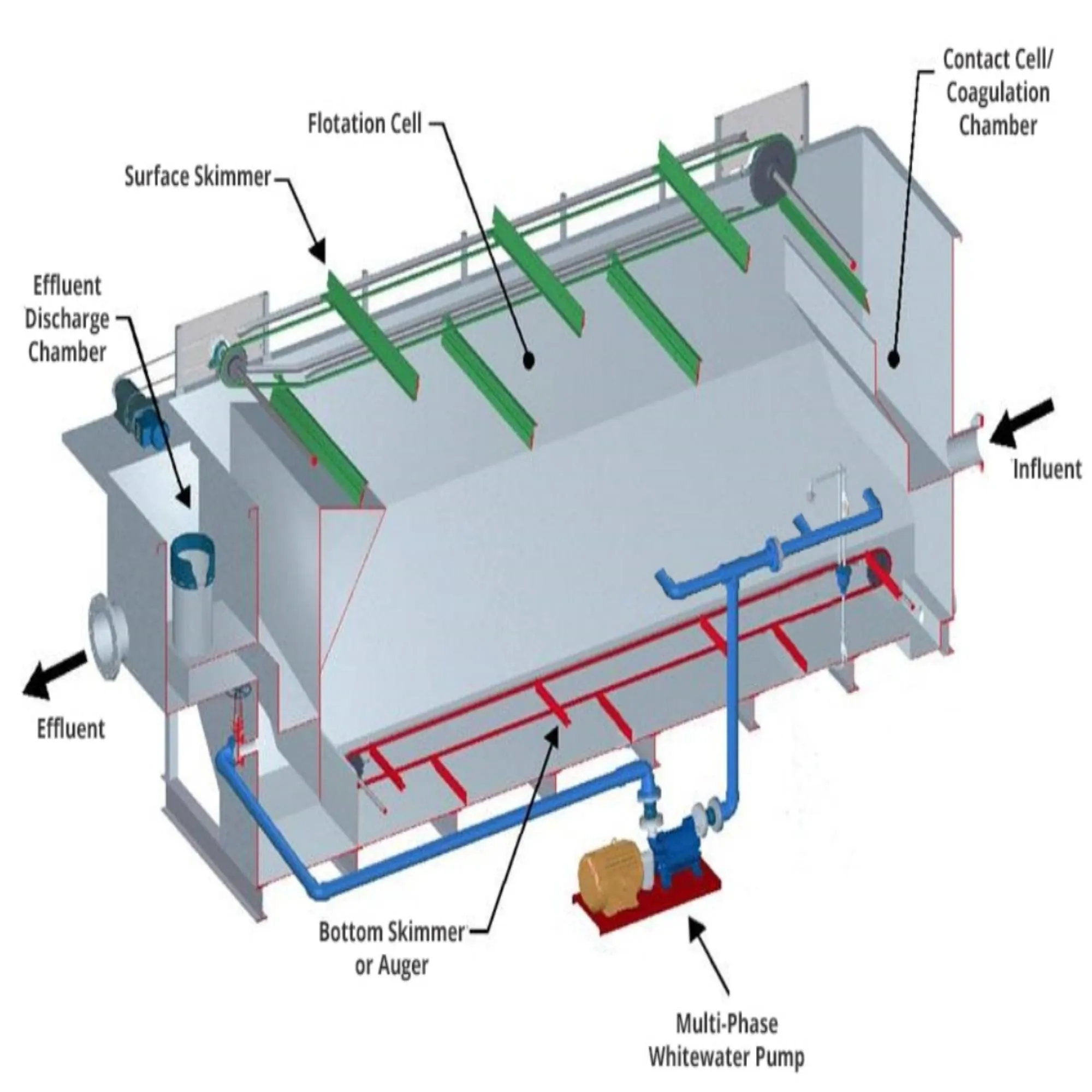
Understanding the Working Principle of MBBR
At its core, MBBR combines the advantages of both biofilm and activated sludge processes, creating a dynamic system where microorganisms thrive on suspended carriers to break down pollutants efficiently. The principle revolves around three key components and a self-regulating cycle that ensures optimal performance:
1. The Core Component: Suspended Biofilm Carriers
The heart of the MBBR system is its specially designed suspended carriers (also known as media), typically made of durable plastic with a specific gravity close to water (0.94-0.97). These carriers feature a large effective surface area and a multi-pore structure, providing an ideal habitat for microorganisms to attach and grow into a biofilm — a slimy layer of bacteria, fungi, and other microbes that digest organic contaminants. The carriers are engineered to be lightweight enough to remain suspended with minimal agitation, yet robust enough to withstand continuous movement and aeration.
2. Fluidization Mechanism: Ensuring Full Contact
To maximize the interaction between wastewater, microorganisms, and oxygen, the carriers are kept in a continuous fluidized state within the reactor. This fluidization is achieved through two main methods, depending on the treatment environment:
- Aerobic Conditions: Aeration systems supply oxygen to the reactor, and the rising air bubbles create buoyancy that pushes the carriers and wastewater into constant motion. This not only keeps the carriers suspended but also breaks air bubbles into smaller particles, increasing the gas-liquid contact area and improving oxygen transfer efficiency.
- Anaerobic Conditions: Submersible mixers are used to maintain fluidization, ensuring the carriers, wastewater, and biofilm come into full contact without the need for aeration.
3. Biofilm Growth-Cycle: Self-Cleaning and Stability
The MBBR system operates on a self-regulating biofilm cycle that eliminates the need for manual intervention. As microorganisms grow on the carriers, the biofilm gradually thickens, increasing the carrier’s specific gravity until it exceeds 1, causing it to sink to the bottom of the reactor. Here, strong aeration or mixing scours the excess biofilm, reducing the carrier’s weight (specific gravity < 1) and allowing it to rise back into the fluidized zone. This natural cycle maintains the biofilm’s thickness and activity, ensuring consistent treatment performance over time.
4. Key System Components
In addition to the suspended carriers and fluidization mechanisms, MBBR systems include a few critical components to ensure smooth operation: a reactor tank (flexible in shape and size), an aeration/mixing system, and retention sieves to prevent carrier loss. The sieves, typically made of stainless steel, are designed with sufficient flow area to avoid clogging, while the aeration system (often using perforated pipes) ensures long-term reliability.
The Key Benefits of MBBR Technology
MBBR’s unique design and working principle translate into a range of benefits that make it stand out in wastewater treatment, from efficiency and flexibility to cost-effectiveness. Below are the most impactful advantages for municipal and industrial applications:
1. Superior Treatment Efficiency
MBBR delivers exceptional removal of organic pollutants, including biochemical oxygen demand (BOD), chemical oxygen demand (COD), ammonia, and nitrogen. The large surface area of the carriers supports a high concentration of microorganisms, while the fluidized state ensures maximum contact between pollutants, biofilm, and oxygen. Additionally, the biofilm’s multi-layer structure creates microenvironments (aerobic, anoxic, anaerobic) that enable simultaneous nitrification and denitrification, enhancing nitrogen removal efficiency.
2. Strong Resistance to Shock Loads
One of MBBR’s greatest strengths is its ability to withstand fluctuations in wastewater flow, composition, and temperature. The long sludge age of the biofilm (15-25 days for nitrifying bacteria) and diverse microbial community make it resilient to toxic shocks, sudden changes in pollutant concentration, and low temperatures. Even in cold regions where inlet water temperatures drop to 4°C, MBBR maintains stable performance, outperforming traditional activated sludge systems.
3. Compact Design & Easy Retrofit
MBBR requires significantly less space than conventional activated sludge systems, making it ideal for sites with limited land availability. For existing wastewater treatment plants, MBBR can be easily retrofitted into existing tanks by adding suspended carriers — no major civil engineering work is needed. By increasing the carrier filling rate (up to 50-60% of the aerobic tank volume), plants can boost treatment capacity by 2-3 times without expanding their footprint.
4. Low Maintenance & Long Service Life
The system’s design minimizes maintenance requirements: the suspended carriers are耐磨耐用, and the aeration/mixing systems (with banana-shaped mixer blades) are designed to avoid damaging the carriers. Unlike fixed bed systems, MBBR has no dead zones or clogging issues, eliminating the need for regular backwashing. The perforated aeration pipes also have a longer service life, reducing downtime and maintenance costs.
5. Reduced Sludge Production & Disposal Costs
Compared to traditional activated sludge processes, MBBR produces significantly less excess sludge. This is because the biofilm’s slow-growing microorganisms have a lower yield, reducing the volume of sludge that needs to be treated and disposed of — a major cost savings for treatment facilities.
6. Versatility Across Applications
MBBR is highly adaptable to both municipal and industrial wastewater treatment. It works effectively for small-scale applications (e.g., rural sewage treatment) and large industrial facilities (e.g., food and beverage, petrochemicals, pulp and paper). It can also be used as a standalone system or integrated with other processes (e.g., anaerobic ammonia oxidation, disc filters) to meet stringent discharge standards, including China’s GB18918-2002 Grade 1A standard and international regulations.
Why Choose MBBR for Your Wastewater Treatment Needs?
In an era where water scarcity and environmental regulations are becoming increasingly strict, MBBR offers a sustainable, efficient, and cost-effective solution for wastewater treatment. Its ability to deliver consistent performance, adapt to changing conditions, and integrate with existing systems makes it a smart investment for any organization looking to improve water quality, reduce operational costs, and meet compliance requirements.
We specialize in designing and implementing customized MBBR solutions tailored to your specific needs — whether you’re upgrading an existing plant, building a new facility, or addressing unique industrial wastewater challenges. Our team of experts leverages decades of experience to ensure your MBBR system operates at peak efficiency, helping you achieve your water treatment goals.