Membrane Bioreactor (MBR) Technology: Advantages for Industrial Projects
In an era where industrial sustainability and regulatory compliance are non-negotiable, choosing the right wastewater treatment technology is critical for businesses looking to balance operational efficiency, environmental responsibility, and long-term cost savings. Membrane Bioreactor (MBR) technology has emerged as a game-changer in industrial wastewater treatment, offering a robust, efficient, and future-forward solution that outperforms traditional activated sludge systems. Designed to address the unique challenges of industrial effluents—from high pollutant loads to strict discharge standards—MBR technology delivers tangible benefits that align with the goals of modern industrial projects.
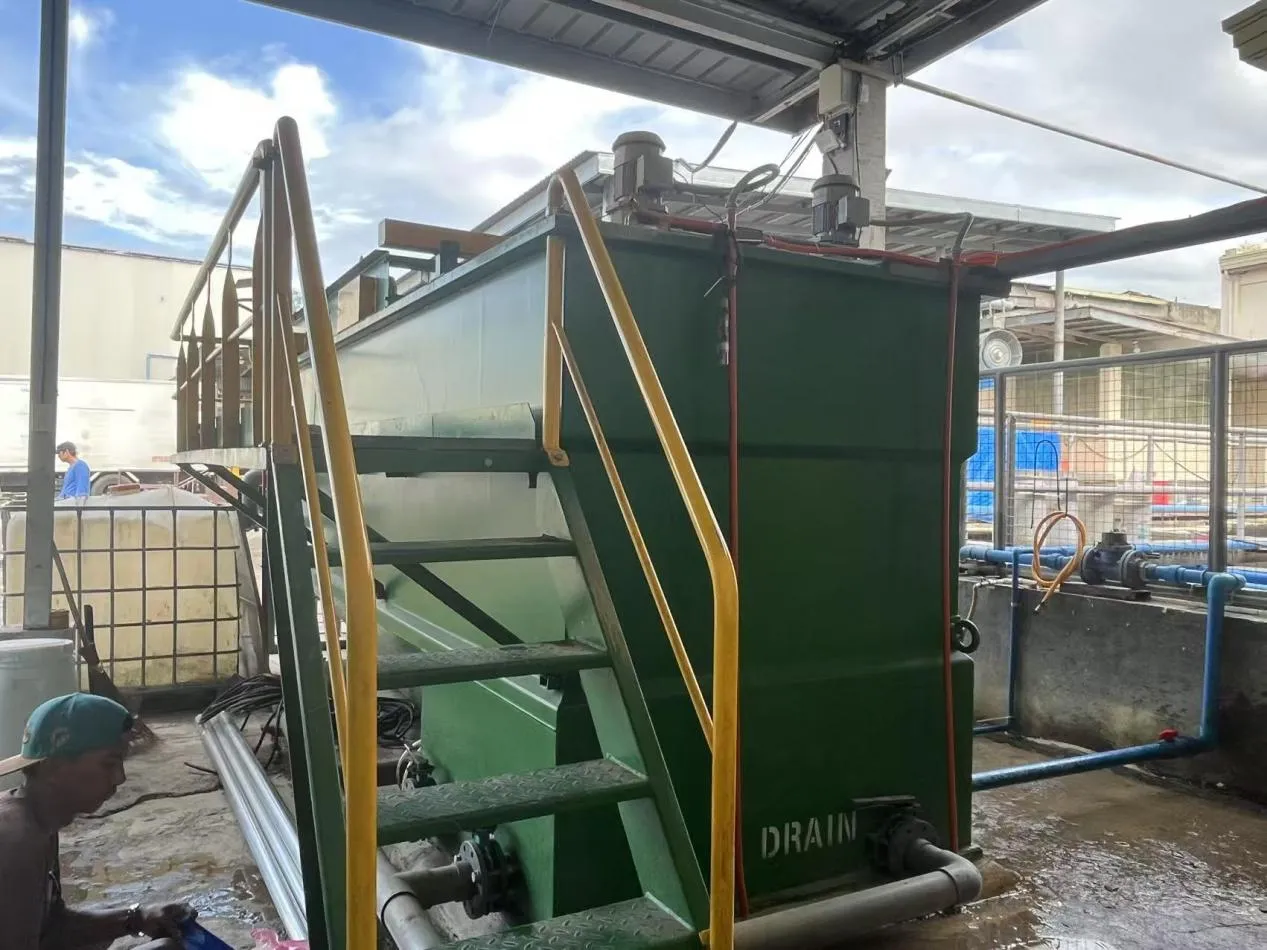
At its core, MBR technology integrates two proven processes: biological treatment and membrane filtration. Unlike conventional systems that rely on gravity settling in secondary clarifiers to separate solids from treated water, MBR uses ultrafiltration (UF) or microfiltration (MF) membranes to replace these clarifiers and tertiary filtration steps. This integration creates a synergistic system where microorganisms in the bioreactor break down organic contaminants, while the membranes wishhold solids, bacteria, viruses, and even fine colloids—resulting in water of exceptional quality. For industrial facilities, this combination translates to a range of advantages that solve common pain points in wastewater management.
One of the most significant advantages of MBR technology for industrial projects is its superior effluent quality. Industrial wastewater often contains high concentrations of organic matter (COD, BOD), suspended solids (SS), heavy metals, and even toxic compounds—challenges that traditional systems struggle to address consistently. MBR membranes, with pore sizes as small as 0.01μm, effectively remove over 99% of suspended solids and pathogens, while the high concentration of microorganisms (MLSS levels of 8,000–15,000 mg/L, far higher than traditional systems) ensures efficient degradation of organic pollutants. This results in effluent that meets or exceeds the strictest global discharge standards, with COD removal rates of 90% or higher and BOD removal rates exceeding 95%[2]. For industries like chemical manufacturing, pharmaceuticals, and food and beverage, this means reduced environmental risk, compliance with regulatory requirements, and even the potential for water reuse—a key driver of sustainability in water-scarce regions.
Another major benefit for industrial operations is space efficiency. Industrial facilities often face land constraints, especially in urban or densely populated areas, where expanding wastewater treatment infrastructure is costly or impractical. MBR technology eliminates the need for large secondary clarifiers and tertiary filtration tanks, reducing the overall footprint by 30–50% compared to traditional activated sludge systems
MBR technology also delivers operational efficiency and reduced maintenance—critical factors for industrial facilities focused on minimizing downtime and operational costs. The high MLSS concentration in MBR systems allows for higher organic loading rates, meaning the system can handle larger volumes of wastewater or higher pollutant concentrations without sacrificing performance.
For industrial projects focused on sustainability and resource recovery, MBR technology enables effective water reuse—a strategic advantage in an era of growing water scarcity. The high-quality effluent produced by MBR systems can be further treated with reverse osmosis (RO) to create recycled water suitable for process use, cooling towers, or irrigation. This not only reduces reliance on freshwater sources but also lowers water procurement costs and helps facilities achieve circular water management goals. For example, in the food and beverage industry, MBR+RO systems have enabled facilities to reuse up to 80% of their wastewater, significantly cutting operational expenses and environmental impact. In Dyeing and Printing facilities, MBR-treated water can be reused in dyeing processes, achieving water savings of 30–50%.
Long-term cost-effectiveness is another key advantage of MBR technology for industrial projects. While the initial capital investment may be higher than traditional systems, the total cost of ownership (TCO) is often lower over the system’s lifespan. The space savings reduce civil engineering costs, the reduced sludge production (up to 50% less than traditional systems) lowers sludge disposal costs, and the automation reduces labor expenses. Additionally, the ability to reuse water reduces freshwater and sewer fees, providing ongoing operational savings. As membrane technology continues to advance—with more durable, low-fouling materials and lower energy consumption—the TCO of MBR systems continues to decrease, making them an increasingly accessible option for industrial facilities of all sizes.
In summary, MBR technology offers industrial projects a comprehensive solution that addresses the most pressing challenges of wastewater treatment: superior effluent quality, space efficiency, operational reliability, water reuse potential, and long-term cost savings. As global environmental regulations become stricter and water scarcity intensifies, MBR technology is no longer just an option—it is a strategic investment in sustainability, compliance, and operational resilience. Whether for a new industrial facility, a retrofit project, or a facility looking to enhance its environmental performance, MBR technology delivers the efficiency and flexibility that modern industrial operations demand.