Mining Wastewater Treatment: Efficient Water Reclamation and Compliant Discharge
Introduction
Water is a critical resource in mining operations, yet the industry faces mounting pressure to manage wastewater responsibly. Mining wastewater often contains heavy metals, suspended solids, and chemical residues, posing environmental and regulatory challenges. For mining companies, the dual goals of efficient water recovery and compliant discharge are no longer optional—they are essential for sustainable operations. This article explores advanced strategies and technologies to treat mining wastewater, enabling operators to reclaim valuable water resources and meet stringent environmental standards.
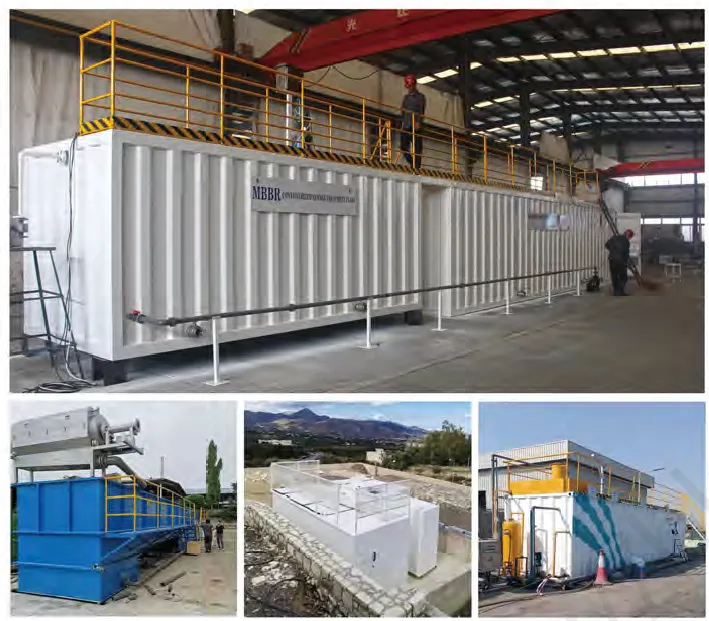
The Challenge of Mining Wastewater
Mining processes, including mineral extraction, washing, and tailings management, generate large volumes of contaminated water. Pollutants such as arsenic, lead, mercury, and cyanide can harm ecosystems and human health if discharged untreated. Additionally, water scarcity in mining regions underscores the need for effective recycling. Compliance with regulations like the Clean Water Act (US) and the EU’s Water Framework Directive requires robust treatment solutions that balance operational efficiency with environmental stewardship.Advanced Treatment Technologies for Water Reclamation
-
Physical-Chemical Treatment:
-
Coagulation and Flocculation: Chemicals are added to aggregate fine particles into larger clusters, which are then removed via sedimentation or filtration. This process effectively reduces suspended solids and some dissolved contaminants.
-
Adsorption: Activated carbon or specialized adsorbents capture heavy metals and organic pollutants, enhancing water purity for reuse.
-
-
Membrane Filtration:
-
Ultrafiltration (UF) and Nanofiltration (NF): These systems remove emulsified oils, colloids, and multivalent ions, making them ideal for pre-treatment or partial desalination.
-
Reverse Osmosis (RO): RO can achieve high-efficiency desalination and eliminate dissolved salts, enabling wastewater to be recycled into process water or even potable uses.
-
-
Biological Treatment:
-
Bioaugmentation and Bioreactors: Specially cultivated microbes degrade organic pollutants and convert toxic compounds (e.g., cyanide) into less harmful substances. This eco-friendly approach is often combined with physical-chemical methods for comprehensive treatment.
-
-
Electrochemical and Advanced Oxidation Processes (AOPs):
-
Technologies like electrocoagulation and ozone treatment break down persistent contaminants, ensuring water meets reuse standards.
-
Achieving Compliant Discharge
To discharge treated water safely, mining operations must adhere to local and international effluent guidelines. Key steps include:-
Real-Time Monitoring: Implementing sensors and automated systems to track pollutant levels (e.g., pH, turbidity, heavy metal concentrations) ensures consistent compliance.
-
Tailored Treatment Trains: Combining multiple technologies (e.g., chemical precipitation followed by filtration and disinfection) addresses complex wastewater profiles.
-
Zero Liquid Discharge (ZLD): While energy-intensive, ZLD systems evaporate and crystallize residues, recovering nearly all water and leaving only solid waste for disposal—a gold standard for water-stressed areas.
Benefits of Efficient Wastewater Management
-
Resource Recovery: Reclaimed water reduces freshwater intake, lowering operational costs and enhancing resilience in arid regions.
-
Regulatory Compliance: Avoid fines and operational shutdowns by meeting or exceeding discharge limits.
-
Sustainability Leadership: Demonstrate commitment to environmental responsibility, improving community relations and corporate reputation.
-
Economic Gains: Reduced water procurement costs and potential revenue from recovered metals (e.g., copper, gold) in treatment sludge.
Case Study: Transforming Mining Effluent into a Resource
A copper mine in Chile implemented a integrated treatment system featuring membrane filtration and RO. The project achieved 90% water recovery, cutting freshwater consumption by 2 million gallons daily. Treated water was reused in processing, while discharge consistently met Chilean environmental standards. The mine also recovered residual copper, adding an extra revenue stream.
Conclusion
Mining wastewater treatment is a strategic opportunity to conserve water, comply with regulations, and promote circular economy principles. By leveraging advanced technologies and customized solutions, mining companies can turn wastewater from a liability into an asset. Partnering with experienced water treatment specialists ensures efficient system design, operation, and long-term success.
Is your mining operation optimizing water management? Our team specializes in tailored wastewater solutions for the mining sector. Contact us today to learn how we can help you achieve efficient water reclamation and fully compliant discharge.