Challenges in Wastewater Treatment in the Food Processing Industry and Innovative Solutions
The food processing industry is a vital pillar of the global economy, but its wastewater contains high concentrations of organic matter, oils, suspended solids, and complex chemical components, posing a significant challenge to environmental management. With increasingly stringent environmental regulations and the growing awareness of sustainable development, food processing companies must seek efficient, economical, and sustainable wastewater treatment solutions. This article will delve into the main wastewater treatment challenges faced by this industry and introduce innovative solutions.
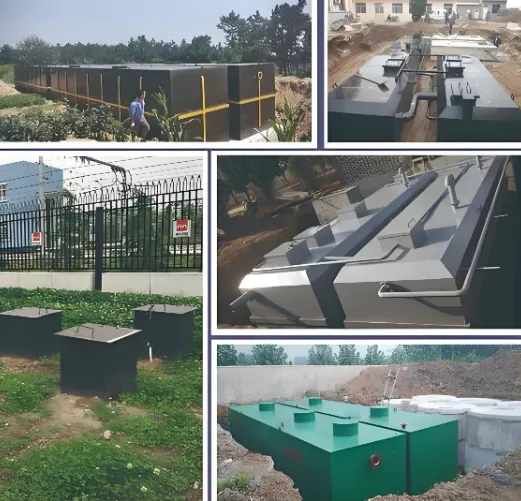
Unique Challenges of Food Processing Wastewater
1. Complex and Variable Water Quality
The composition of food processing wastewater varies greatly depending on the product type (meat, dairy products, fruits and vegetables, beverages, etc.), typically containing:
- High concentrations of organic matter (high COD/BOD values)
- High oil and fat content
- High suspended solids
- Large fluctuations in pH
- Seasonal production leading to fluctuations in water volume and quality
2. High Treatment Difficulty
Traditional treatment methods often struggle to address:
- Oil easily clogs pipes and equipment
- High organic matter concentration leads to high loads on biological treatment
- Nutrient imbalances affect microbial activity
- Some wastewater contains components that inhibit biological treatment
3. Stringent Emission Standards
Environmental regulations worldwide are becoming increasingly stringent, requiring:
- Lower COD, BOD, and nitrogen and phosphorus emission limits
- Strict oil emission standards
- Restrictions on specific pollutants
4. Operating Cost Pressures
Food processing companies face:
- Rising energy consumption costs
- Chemical reagent usage costs
- Sludge treatment and disposal costs
- Limited plant space
Innovative Solutions and Cutting-Edge Technologies
1. Pretreatment Technology Upgrades
High-Efficiency Separation Technologies
- Intelligent Air Flotation System: Utilizes micro-nano bubble technology, increasing oil removal rate to over 95%.
- Centrifugal Separation Optimization: High-efficiency oil separation for dairy and meat processing.
- Screen Filtration Innovation: Self-cleaning rotating screens reduce clogging and maintenance needs.
2. Biological Treatment Innovations
Advances in Anaerobic Treatment
- High-Efficiency Anaerobic Reactors (e.g., IC, UASB): Treats high-concentration organic wastewater while generating biogas for energy recovery.
- Anaerobic Membrane Bioreactor (AnMBR): Combines membrane separation to improve treatment efficiency and stability.
- Aerobic Treatment Optimization
- Moving Bed Biofilm Reactor (MBBR): Increases biomass, enhances treatment capacity, and reduces footprint.
- Intelligent Sequencing Batch Reactor (SBR): Improves treatment efficiency through precise control.
3. Advanced Treatment Technologies
Membrane Technology Applications
- Ultrafiltration/Microfiltration for Suspended Solids and Bacterial Removal
- Nanofiltration/Reverse Osmosis for Deep Treatment and Reuse
- Advanced Oxidation Processes
- Combined use of ozone, hydrogen peroxide, and ultraviolet light to treat recalcitrant organic matter.
- Electrochemical Oxidation for Specific Pollutants.
4. Resource Recycling and Circular Economy
Energy Recovery
- Anaerobic digestion produces biogas for power generation, meeting 20-40% of the plant's energy needs.
- Waste Heat Recovery System Integration
- Water Reuse
- Treatment water is reused for non-production processes such as cleaning and cooling.
- Closed-loop water system design reduces fresh water consumption.
- By-product Utilization
- Recovering valuable components such as proteins and fats.
- Sludge is converted into organic fertilizer or building materials.
5. Intelligent Monitoring and Management
- Real-time monitoring of water quality parameters by IoT sensors
- AI algorithms optimize treatment process parameters
- Digital twin technology simulates and predicts treatment effects
- Remote monitoring and intelligent early warning system
Successful Case Sharing
Case 1: Large Meat Processing Enterprise
Challenge: High-oil, high-protein wastewater; large seasonal production fluctuations; unstable treatment by the original system
Solution:
Installation of a high-efficiency air flotation pretreatment system
Adoption of a two-stage anaerobic-aerobic combined process
Implementation of an intelligent control system to adjust operating parameters
Results:
COD removal rate increased from 85% to 98%
Biogas power generation meets 30% of the plant's electricity needs
Annual water treatment cost savings of 25%
Case 2: Fruit and Vegetable Beverage Production Enterprise
Challenge: High-sugar wastewater easily leads to acidification of the biological treatment system; large fluctuations in water quality
Solution:
Addition of a balancing tank to buffer water quality and quantity fluctuations
Adoption of acid-resistant anaerobic microbial strains
Introduction of a membrane bioreactor Deep Treatment
Results:
Significantly improved system stability
50% of treated water reused within the plant area
Complies with the strictest emission standards
Future Trends and Recommendations
Industry Trends
Green Treatment Technology: Low-energy, low-reagent treatment solutions
Modular Design: Flexible solutions adaptable to enterprises of different sizes
Zero Discharge Goals: Moving towards closed-loop water systems and full resource recovery
Collaborative Treatment: Centralized treatment model in food processing parks
Enterprise Action Recommendations
Comprehensive Assessment: Conduct detailed water quality analysis and treatment needs assessment
Phase Implementation: Develop short-term improvement and long-term upgrade plans based on actual conditions
Technological Innovation Cooperation: Collaborate with professional technology companies to develop customized solutions
Employee Training: Improve operator skills to ensure efficient system operation
Continuous Monitoring and Optimization: Establish a performance evaluation system for continuous improvement
Conclusion
Wastewater treatment in the food processing industry is transforming from a "cost center" to a "resource recovery center." By adopting innovative technologies and holistic solutions, enterprises can not only meet environmental protection requirements but also reduce operating costs and even create new sources of value. Faced with increasingly severe environmental challenges and sustainable development requirements, investing in advanced wastewater treatment systems has become a necessary condition for food processing enterprises to maintain competitiveness. About Us
Bluewav WTP has been deeply involved in the water treatment field for many years, providing comprehensive wastewater solutions for the food processing industry, from consulting and design to construction and operation. Our professional technical team will customize efficient, economical, and sustainable treatment systems according to your specific needs, helping you achieve a win-win situation for both environmental and economic benefits.
Contact us for a customized wastewater treatment solution assessment and consultation!