High-Efficiency Anaerobic Reactor Technology: How to Reduce Industrial Wastewater Treatment Costs
In the field of industrial wastewater treatment, operating costs have always been a key concern for enterprises. With increasingly stringent environmental standards, balancing treatment effectiveness and economic efficiency has become a major industry challenge. Today, we will delve into how high-efficiency anaerobic reactor technology can revolutionize the cost of industrial wastewater treatment.
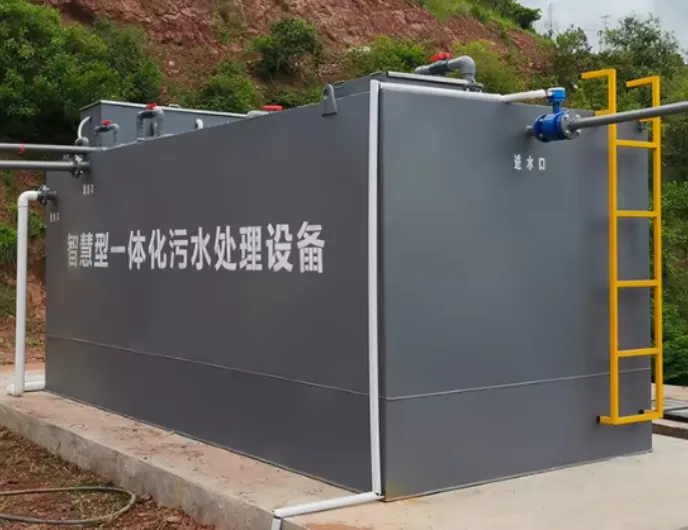
Cost Advantages of Anaerobic Treatment Technology
Compared to traditional aerobic treatment processes, anaerobic reactor technology has significant energy-saving and consumption-reducing characteristics:
- Energy consumption reduced by 80-90% - No aeration system required, significantly reducing electricity consumption
- Sludge production reduced by 70-80% - Significantly reducing sludge treatment and disposal costs
- Biogas energy recovery - 0.35 m³ of biogas can be generated for every 1 kg of COD treated, achieving energy self-sufficiency or even external sales
Technological Breakthroughs of Modern High-Efficiency Anaerobic Reactors
1. Third-Generation High-Efficiency Reactor Design
- Upflow Anaerobic Sludge Blanket (UASB) upgraded version: retention time shortened to 6-12 hours
- Expanded Granular Sludge Blanket (EGSB) technology: treatment efficiency increased by 30-50%
- Internal Circulation (IC) Reactor: 40% reduction in floor space, suitable for high-concentration organic wastewater
2. Intelligent Control System
- Real-time monitoring of key parameters such as pH, temperature, and VFA
- Automatic adjustment of influent flow rate and reaction conditions
- Early warning system to prevent reactor acidification and ensure stable operation
3. Shock-resistant design
- Adapts to fluctuations in water quality and quantity, reducing pretreatment requirements
- Can handle a wide range of COD concentrations (2000-30000 mg/L)
Specific paths to reduce industrial wastewater treatment costs
I. Optimized initial investment
- Modular design: Can be constructed in phases according to water volume, reducing initial investment
- Compact structure: Reduces floor space by 30-60%, saving land costs
- Rapid start-up technology: Start-up time shortened from the traditional 3-6 months to 3-6 weeks
II. Controlled operating costs
- Low maintenance requirements: Main equipment maintenance-free period of up to 2-3 years
- Low chemical consumption: No need to add large amounts of flocculants and pH adjusters
- High degree of automation: Reduces manual operation and monitoring requirements
III. Resource recovery creates value
- Biogas energy utilization: Can be converted into heat, electricity or purified into biogas
- Nutrient recovery potential: Recovery and utilization of elements such as phosphorus and nitrogen
- Effluent waste heat recovery: Energy reuse in high-temperature wastewater treatment
Industry application case
A food processing plant treats 2000m³ of high-concentration organic wastewater per day:
- Traditional aerobic process: Annual operating cost of approximately 3.2 million yuan 65% Energy Consumption Ratio
- High-Efficiency Anaerobic + Aerobic Combined Process: Annual operating cost reduced to 1.8 million RMB, biogas power generation meets 30% of the plant's electricity needs
- Investment Payback Period: 2.8 years (considering energy recovery benefits)
Implementation Recommendations
- Water Quality Assessment First: Comprehensive analysis of wastewater characteristics to select the most suitable anaerobic reactor type
- Gradual Retrofit: Anaerobic sections can be added or replaced on the existing system
- Professional Operation and Maintenance Training: Ensure operators master core control points
- Comprehensive Energy Utilization Planning: Plan biogas utilization pathways in advance to maximize economic benefits
Future Outlook
With the development of materials science and IoT technology, the next generation of anaerobic reactors will evolve towards greater efficiency and intelligence:
- Nanomaterials enhance mass transfer efficiency
- AI algorithms optimize operating parameters
- Modular containerized design enables rapid deployment
Conclusion
High-efficiency anaerobic reactor technology is not only a wastewater treatment process but also an important tool for industrial enterprises to achieve sustainable development. Through a circular economy model of "treating waste with waste and turning waste into treasure," it transforms environmental pressure into economic benefits, truly achieving a win-win situation for both the environment and the economy.
For industrial enterprises seeking to reduce wastewater treatment costs and improve environmental performance, investing in high-efficiency anaerobic technology is not merely a cost expenditure, but a strategic choice with a clear return on investment.
About Us: Bluewav-WTP Company has 15 years of experience in industrial wastewater treatment and has completed over 200 anaerobic reactor projects, reducing operating costs for clients by an average of over 40%.
For customized solutions, please contact our technical team for a professional assessment.