Demystifying Common Wastewater Treatment Technologies: From MBR to SBR
Wastewater treatment is a critical process for protecting our environment and public health. With various technologies available, it can be challenging to understand which method is best suited for different needs. Today, we’ll uncover two of the most widely used and efficient systems: Membrane Bioreactor (MBR) and Sequencing Batch Reactor (SBR).
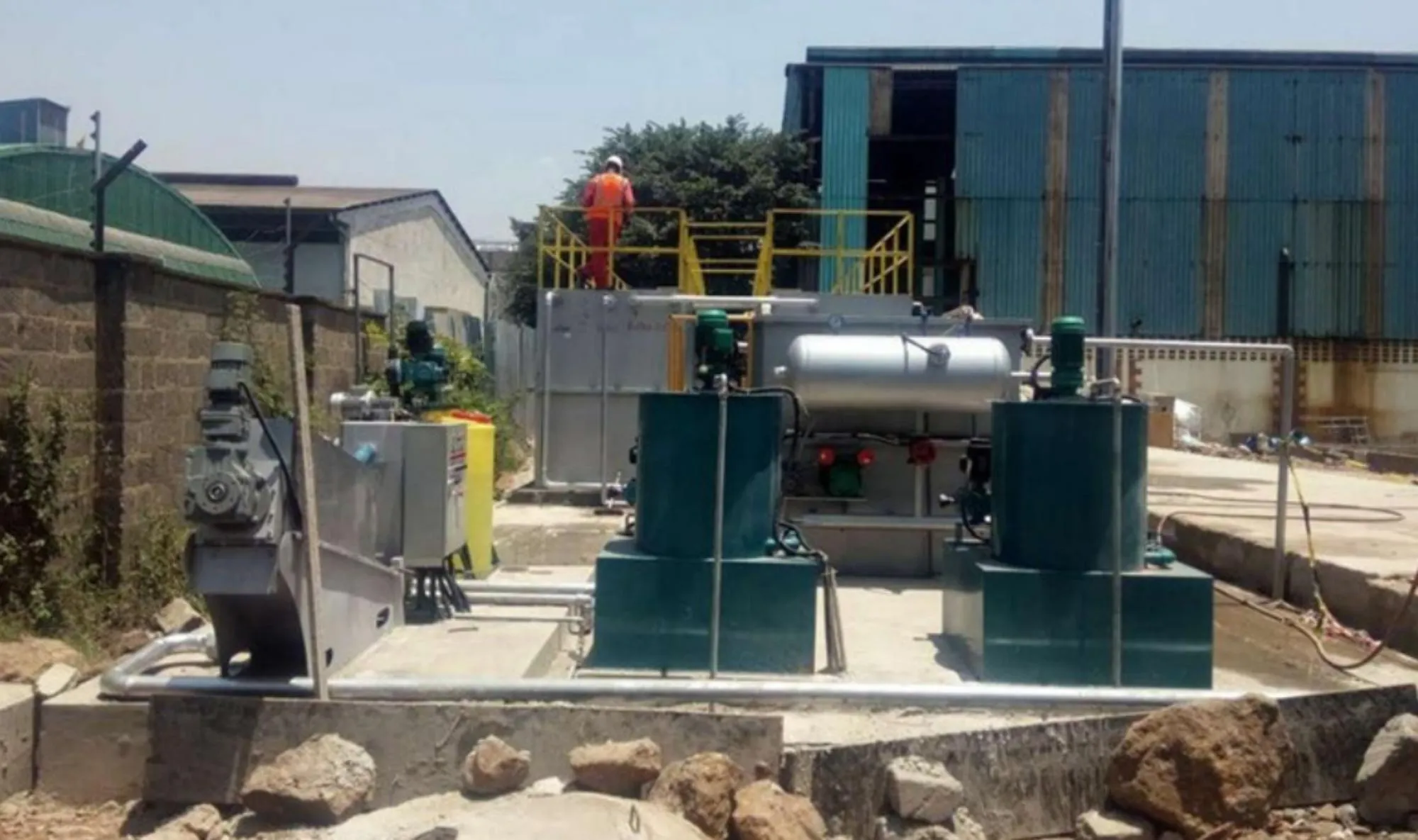
Membrane Bioreactor (MBR) Technology
MBR combines conventional biological treatment with membrane filtration. Microorganisms break down organic matter, while submerged membranes act as a physical barrier, separating treated water from mixed liquor.
Key Advantages:
-
High-Quality Effluent: Produces clear, pathogen-reduced water suitable for reuse.
-
Compact Footprint: Ideal for space-constrained areas due to its smaller size.
-
Enhanced Reliability: Consistent performance even with fluctuating loads.
Common Applications: Municipal plants, industrial facilities, and water recycling projects.
Sequencing Batch Reactor (SBR) Technology
SBR operates in timed batches—filling, treating, settling, and discharging—all within a single reactor. This cyclic process allows for precise control over treatment stages.
Key Advantages:
-
Operational Flexibility: Easily adjustable to handle varying wastewater compositions.
-
Cost-Effective: Lower capital costs due to simplified design and fewer tanks.
-
Effective Nutrient Removal: Excellent for nitrogen and phosphorus reduction.
Common Applications: Small to medium communities, food processing, and agricultural wastewater.
MBR vs. SBR: Which Is Right for You?
Choosing between MBR and SBR depends on factors like effluent quality requirements, available space, and budget. MBR excels where space is limited and ultra-high-quality water is needed. SBR offers a robust, cost-efficient solution for applications with more flexibility.
Conclusion
Both MBR and SBR represent significant advancements in wastewater treatment, each with unique strengths. Consulting with a specialist can help determine the optimal technology for your specific needs, ensuring efficient and sustainable wastewater management.